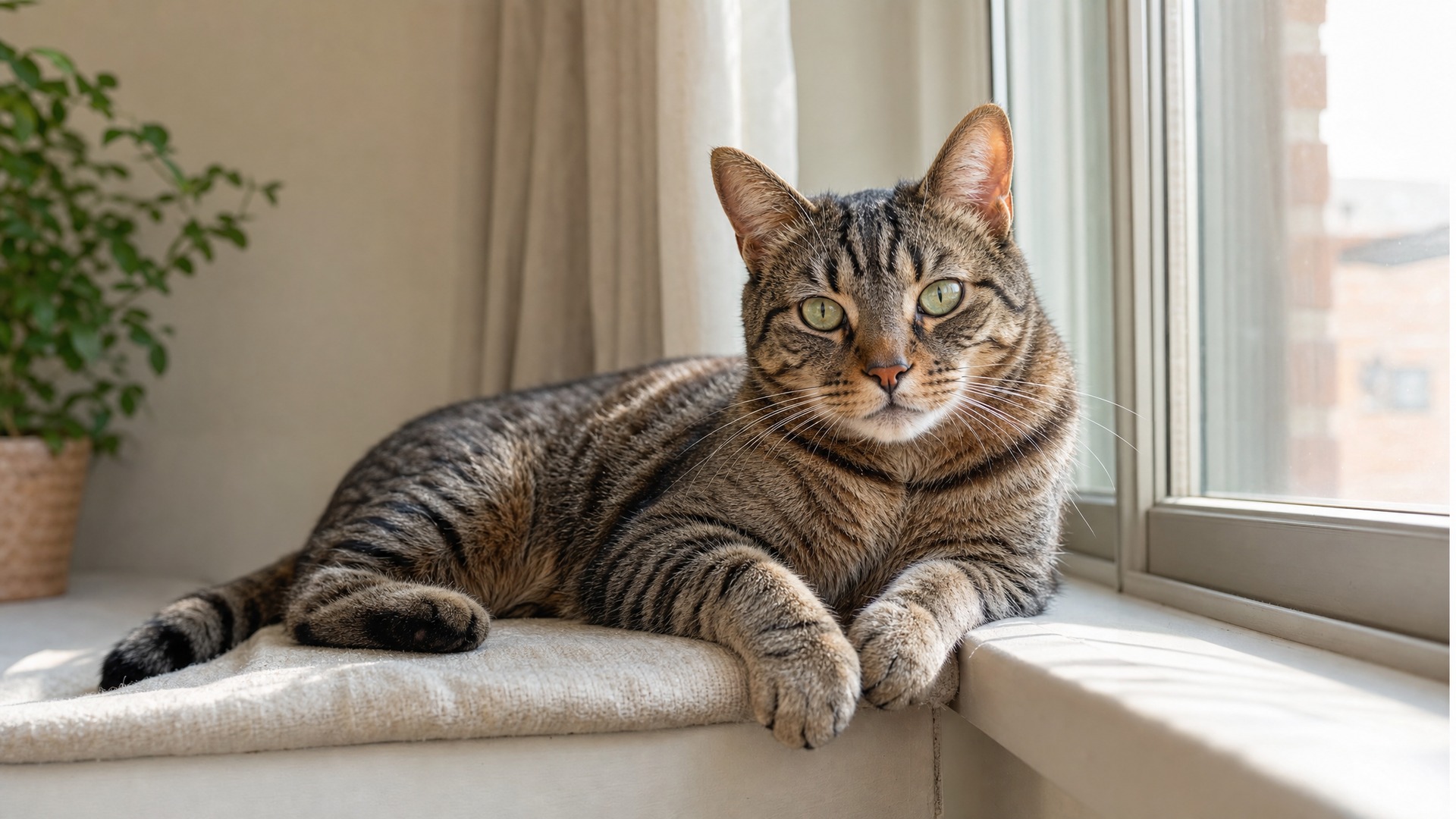
The camera roll is full of evidence that cats are hilarious, beautiful, and morally opposed to holding still once a phone appears. Learning how to take photos of your cat is less about convincing them to sit like a tiny employee headshot and more about noticing the moment they already planned to give you. The goal is not a formal portrait. It is the look that makes someone who knows the cat say, “Yep. That is exactly their deal.”
How to take photos of your cat without starting a standoff
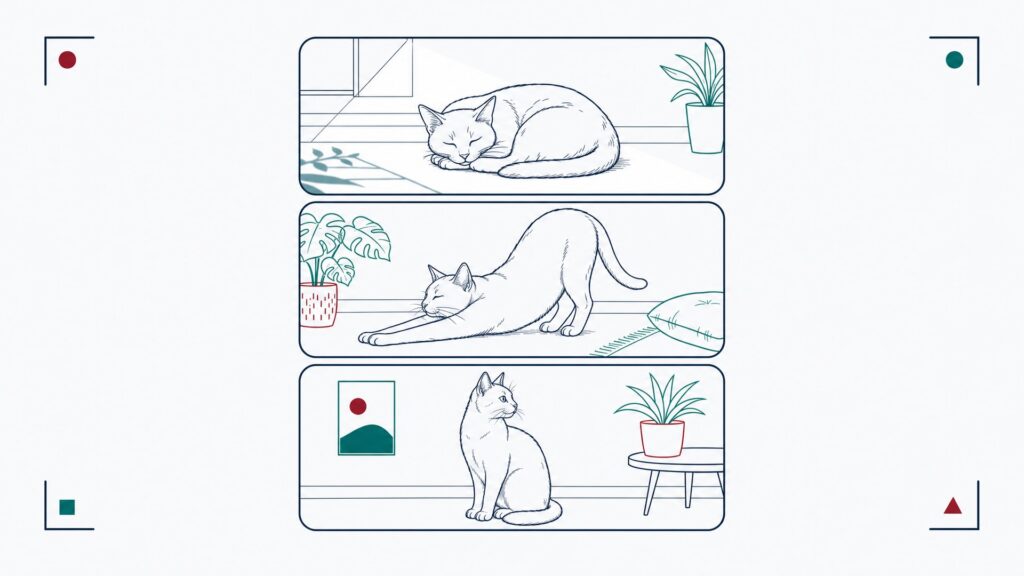
The biggest upgrade is accepting that the cat runs the shoot. A forced pose has the energy of a badly managed office icebreaker. Instead, decide what you want to catch: the window-perch silhouette, the post-nap stretch, the alert ears during play, or the expression that arrives when a cabinet opens. Then wait nearby with the camera ready.
That approach also makes photographing a cat much more interesting. A face pointed directly at the lens is nice, but it is not the only picture worth taking. A profile watching birds, paws hanging over a chair, or a suspicious glance over one shoulder can say more than a perfect centered pose. Keep the room quiet, move slowly, and let the scene feel like their actual life rather than a set built by someone with a ring light and misplaced confidence.
Build a good stage before the cat walks into it
You do not need a studio. You need one reliable patch of decent light and fewer visual crimes in the background. A favorite window perch is ideal because natural light helps the face and fur show up, while a simple wall, throw, or piece of furniture lets the cat remain the main character. Avoid putting the cat in front of a bright window if the rest of the room is dark; the photo can turn into a dramatic silhouette when you wanted whiskers.
Look at color, too. A dark cat on a dark blanket can disappear into a tiny furry eclipse. A lighter cushion, a clean rug, or a different angle gives the outline some room to breathe. These cat photography tips are not about making a home look staged. They are about removing the laundry mountain that somehow became the co-star.

Get low enough to meet the face
Photos from standing height often make a cat look like a small landlord being inspected by a maintenance crew. Get down near eye level instead. The face becomes the point, the room falls away, and the picture feels like you met the cat in its own world. That is especially useful for a tight portrait where the eyes, whiskers, or one gloriously judgmental ear do most of the work.
For a wider frame, leave a little space around the cat that tells a story: a sunbeam, the edge of a scratching post, a favorite chair. If the picture captures a quirk that would help inspire a future list of cat names, it is doing more than proving the cat exists. It is preserving the odd little personality that made the photo worth taking.
Give the cat a reason to look your way
Do not repeat their name like you are announcing a delayed flight. Use a familiar toy, a gentle sound, or a helper off to the side to create one clean moment of curiosity. A helper with a feather toy near the camera is a particularly handy trick for an alert expression; the approach is also recommended in these eye-level pet portraits. The key is to be ready before the ears go up.
Take several frames, then stop. Cats are not impressed by a five-minute campaign for one usable picture, and you do not need to turn a good moment into a negotiation. A short burst of attention, followed by a return to their own business, usually gives you a more honest result than trying to manufacture a grin.
Use your phone like a camera, not a panic button
Most phone photos go wrong because the owner sees a great expression, raises the phone, and hits the shutter before the camera has settled on the right spot. Give it one beat. On an iPhone, you can tap the cat’s face on screen to move focus there and adjust brightness with the exposure control; Apple explains how to tap to set focus and exposure. That small move matters when a bright window, dark fur, or pale blanket is trying to make the camera choose badly for you.
Skip digital zoom if you can. Move closer when the cat allows it, or take the photo and crop afterward. The tighter frame often reveals the useful detail anyway: a curled paw, the chin on a book, a single eye half-open during a nap. You are not documenting a room. You are documenting a creature who has somehow made the room theirs.
Edit for the story, not the evidence
Afterward, pick the photo that has a point of view. It does not need to be the sharpest one if the sharper frame has the emotional range of a grocery receipt. A slightly imperfect photo with an unmistakable expression will often win. Crop out distractions, lift the brightness only enough to see the face, and resist adding so many filters that the cat looks like it has been recruited into a fragrance campaign.
Great cat photos are less about obedience than observation. Keep the camera close, learn the light in the spots they already love, and let the cat provide the weirdness. They have been rehearsing it all day.
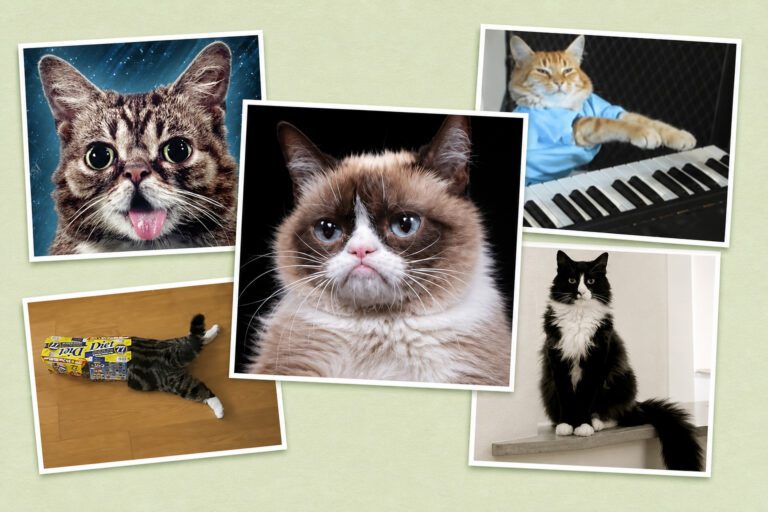
And if one of those frames turns out to be the one, your cat could end up on a list like our famous internet cats — most of them got there on a bad camera, by accident, years before anyone was trying.