Physical Address
304 North Cardinal St.
Dorchester Center, MA 02124
Physical Address
304 North Cardinal St.
Dorchester Center, MA 02124

A dog photo has more moving parts than a group chat with a loose plan. Meanwhile, the special doggie moment is already happening while your phone is still deciding what to do. A tail starts helicoptering. A ball appears. Someone opens the door. The face you wanted turns into a blur with ears. Learning how to take iPhone photos of your dog means getting the frame, light, and camera control ready before the tiny parade begins.
To take photos of your dog, start with scale. A small dog shot from adult standing height can disappear into a continent of tile, couch, and coffee table. Get low, keep the phone near eye level, and let the dog fill enough of the frame to look like the main character instead of a surprise garnish. A low angle can also give a compact dog a bigger, more present look without making the room do all the talking.
With a large dog, the problem flips. The phone can end up so close that the nose takes over and the rest of the dog exits the image like it had somewhere better to be. Take a step back, leave space around the paws and tail. Decide whether you want the whole body or a close portrait. Big dogs often give you more shape to work with; small dogs often need you to make the floor part of the composition. Neither needs a baby voice or a costume. They need a frame that fits.
Indoor iPhone dog photography gets easier when the dog is near a large window. Put the light on the dog’s face or slightly to one side, then simplify the background before you start. A clean wall, a chair, or a stretch of rug beats the kitchen counter full of mail and the one sock that has apparently become part of the household decor.
If the room looks dim, do not expect a sprinting dog to turn into a crisp portrait by force of optimism. Save the indoor scene for a sit, a nap, a toy inspection, or that suspicious look they make when a cheese wrapper exists. Tap the eye or face on screen, then watch the brightness before you shoot. A small move closer to the window usually does more for the picture than a dramatic edit afterward.
Indoor zoomies are their own sport. If your dog uses the hallway as a racetrack, stand near the clearest patch of window light and wait for one repeatable pass. Pick a simple background and leave room in front of the dog. For a little dog, get low at the edge of the route. For a big dog, step back so paws, tail, and momentum stay in the frame. Catch the familiar, slightly ridiculous route they have already chosen.
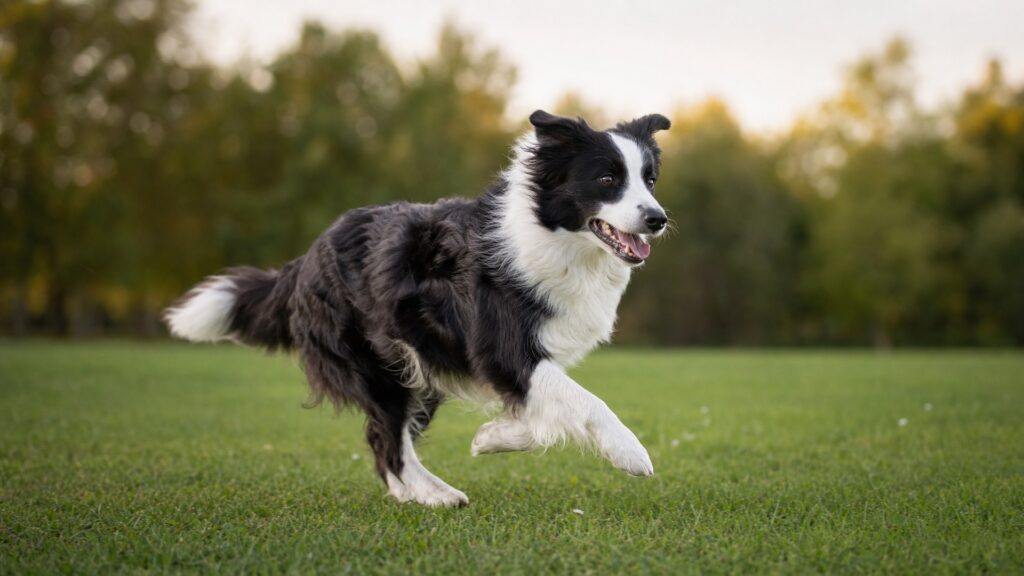
Outside, the dog finally has room to be a dog, which is both the gift and the scheduling problem. Soft light early or late in the day keeps the scene from looking like a squinting contest. An overcast walk can also deliver richer color than a blazing noon sidewalk. Put the sun behind or off to one side of you so the dog’s face has some light, then look for a background with one job: make the dog easier to notice.
For a wider outdoor image, let the setting earn its place. A field, path, beach, or backyard can explain the mood. For a portrait, move until clutter, parked cars, and random strangers stop auditioning for supporting roles. The best dog photography tips are often less glamorous than a new app: turn around, take three steps, and wait for the cleaner frame.
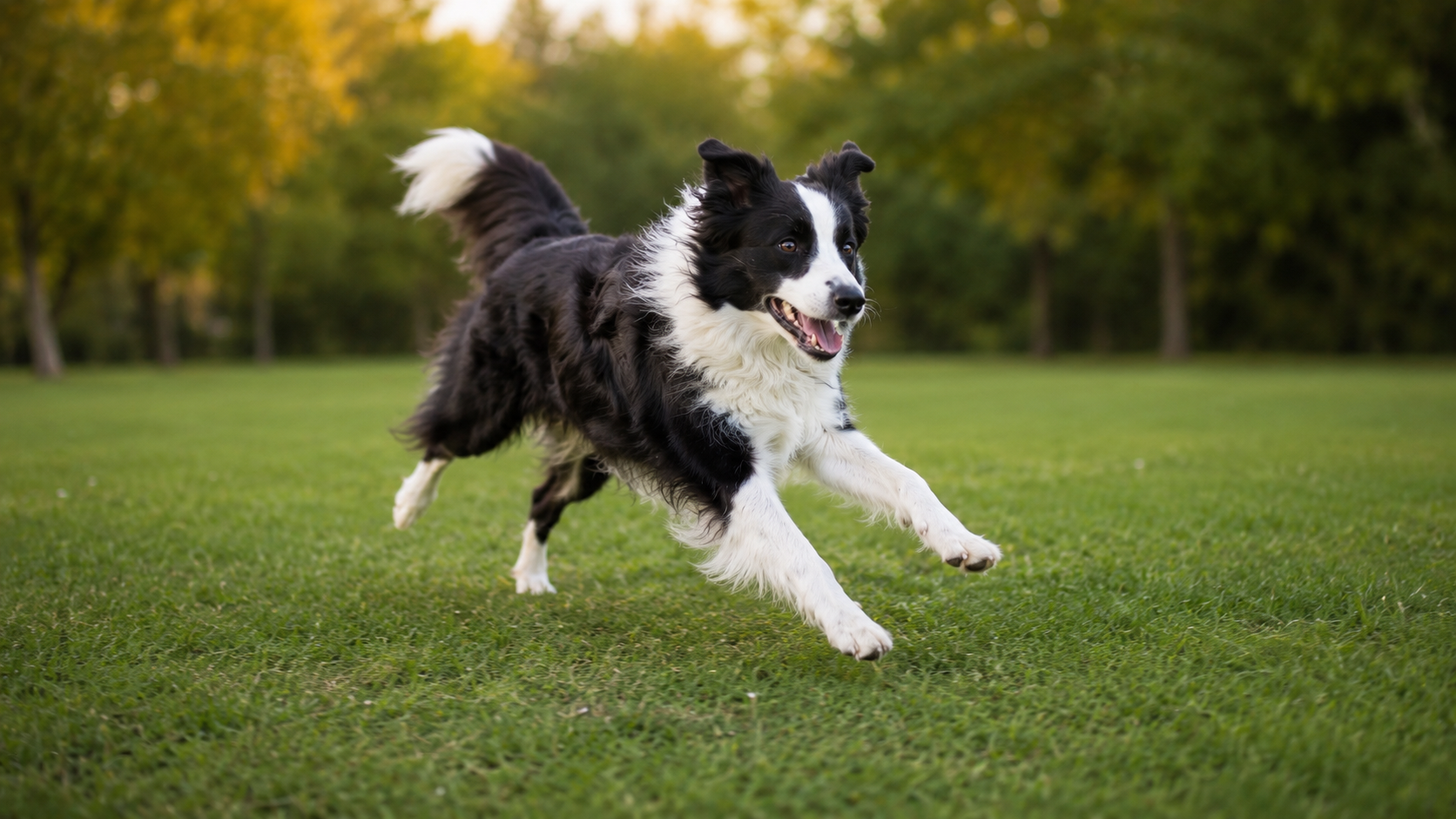
Outdoor zoomies give you more light and room, but a much bigger arena. Choose the stretch they keep crossing and shoot across that path. A side-to-side run is easier to frame against grass or sky whereas a run toward you gives you the full, ears-forward portrait. Stay low and leave space ahead of the dog so the image is moving somewhere, not escaping the edge of the screen.
Your iPhone will make focus and exposure choices on its own, but dogs are not always positioned where the camera would prefer. Tap the dog’s eye or face on the screen to move the focus area. Then, adjust the brightness with the exposure control if the window, grass, or pale pavement is throwing the picture off. Apple’s guidance on how to set focus and exposure also explains AE/AF Lock when you want that choice to hold for the next few shots.
To get a great photo of your dog, don’t be afraid to do this ahead, while the dog is still. Once the action starts, your phone needs less negotiation and more commitment. Keep the camera at dog level, choose your direction, and watch the screen instead of chasing the dog with frantic zooming.
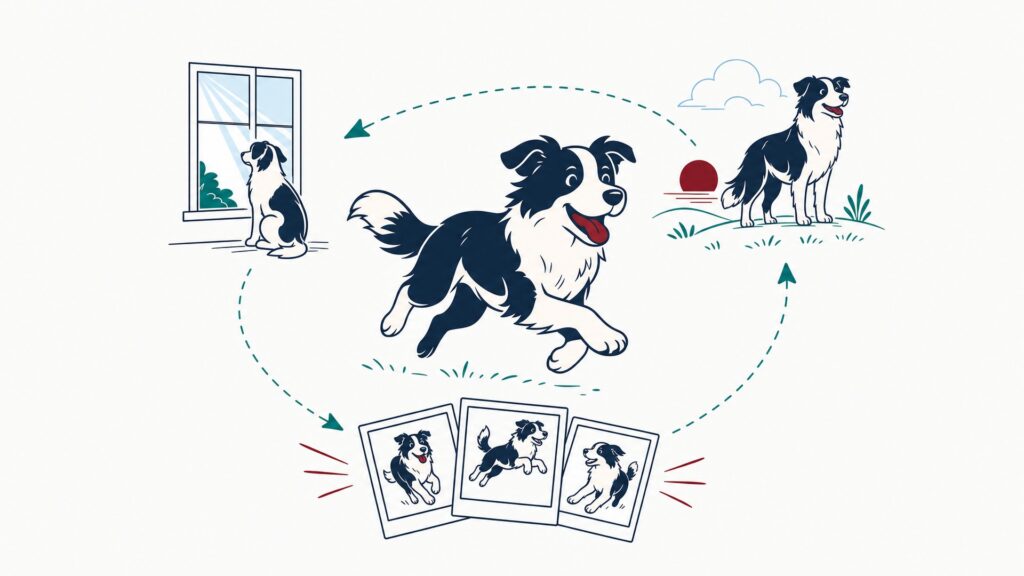
For fetch, a zoomie lap, or a serious encounter with a sprinkler, use Burst. Apple’s instructions for action shots with Burst mode explain that swiping the shutter left records a rapid run of photos, giving you frames to choose from after the dog has finished being magnificent. Begin just before the dog reaches the spot you picked, then move the phone at roughly the same pace. A short, deliberate sequence gives you a better chance of one frame where the eyes, legs, and tail agree on the same story.
Action works especially well when it grows out of something the dog already likes. A game with interactive dog toys can give the picture a reason for the ears-up expression and airborne paws. For indoor zoomies, use the dog’s repeat route and shoot from the side. For outdoor zoomies, give the dog a broader crossing point and wait for the approach. The work is mostly anticipation: know where the dog will be, not where they were half a second ago.
And do not throw away every blurry frame. Blur is disappointing when it hides the whole face and gives the photo nothing to hold onto. But a sharp eye with a soft tail, a floating ear, or legs that have become a little bit of speed can be the whole point. That kind of motion blur captures your dog’s personality better than a perfectly frozen pose sometimes can. Keep the technically crisp photo, of course. Keep the joyful, slightly chaotic one too.
Great dog photos are less about making a dog pose than catching the version of them that shows up for a walk, a game, a hallway sprint, or a sunny patch of floor. Know the light, set your focus, and let the iPhone do the fast part. Your dog will handle the personality, probably with zero interest in your schedule.