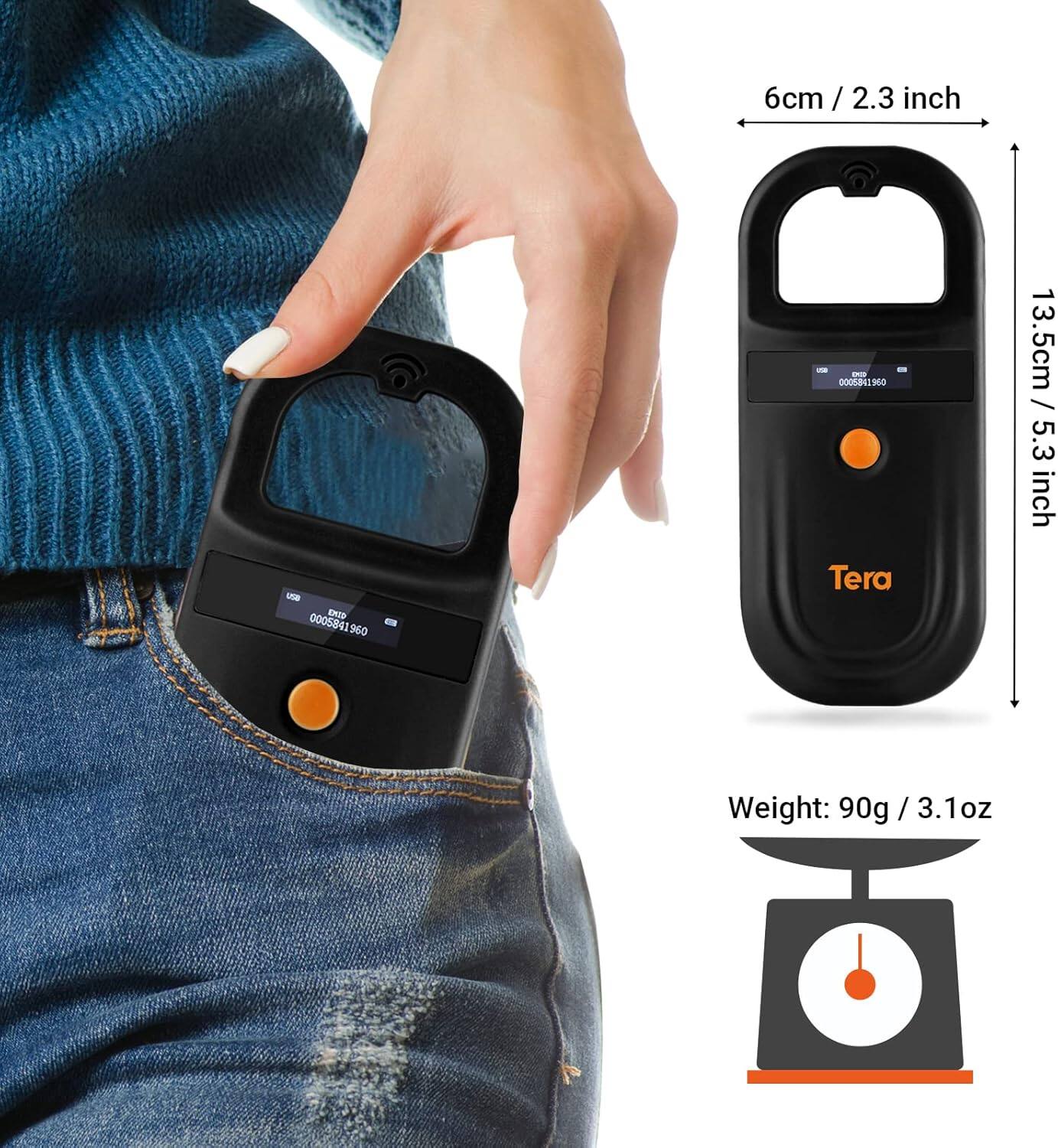
If you are looking at a tera pet microchip scanner, you are probably not trying to outfit a shelter or a clinic. You need a scanner nearby when a found dog shows up after hours, a foster intake lands in your lap, or your own pet paperwork needs a quick check. Tera speaks to that buyer more directly than most scanner brands do.
This category gets intimidating fast. A lot of scanner pages sound like they were written for purchasing departments, not normal pet owners. Tera goes the other way. The products are compact, rechargeable, and sold like practical household tools.
That does not make them universal. A small, easy-to-buy reader can be a smart answer when the real issue is access. It can also be the wrong answer if what you actually need is broad compatibility and less uncertainty around older or mixed chip types. Tera makes the most sense when you judge it as an access tool, not as the best pet chip scanner for every situation. If you want the full category map first, read Complete Guide to Pet Microchip Scanners.
About Tera
Tera is a scanning-hardware company, not a pet-only recovery brand. On its homepage, the company says it was founded in Switzerland in the early 2000s, has sold more than 1 million scanners in more than 50 countries, and is now designed, developed, and supported in the United States. The pet-reader line feels like one piece of a broader handheld-device business.
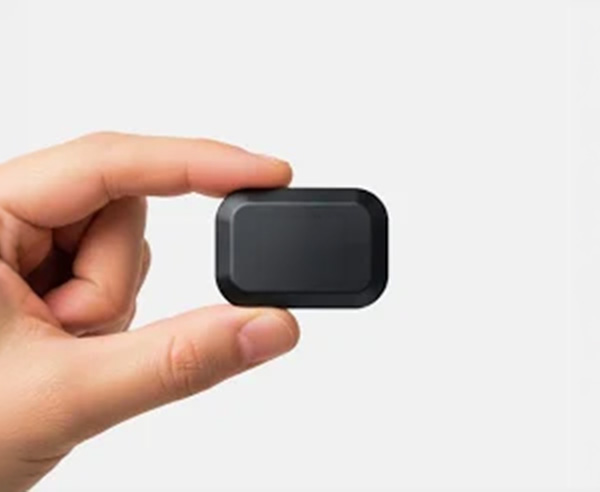
That background shows up in the way the products are sold. Tera treats pet scanning as a portability and usability problem first. The tone is closer to consumer electronics than to animal-control equipment, which helps explain why the brand feels less intimidating than many scanner competitors.
The downside is lineup clarity. On May 2, 2026, Tera’s official pet-reader collection showed only one live pet product on the brand site: the Tera Upgrade Pet Microchip Scanner H02. Most of the rest of the public trail comes from retailer listings, older manuals, and leftover marketplace pages. In this category, that puts extra weight on the limits, not just the branding.
Summary of Brand features
The Tera pitch is straightforward: small readers, rechargeable batteries, and an easier path to owning a scanner without stepping into institutional gear. These are devices people might actually keep in a car, foster tote, or desk drawer.
Tera spends more time selling convenience than selling broad coverage. The current H02 leans on faster reads, bigger storage, a larger screen, and USB, Bluetooth, and 2.4GHz connections. The cheaper handhelds lean on one-button simplicity and basic USB export. None of that is a problem on its own. It just tells you what the company cares about most.
The compatibility ceiling matters more than any of those comfort features. Tera’s own 2025 guide says the H02 may not read AVID chips, and third-party seller pages for the simpler handheld say it does not support FDX-A or AVID chips. That is the line running through the whole brand story.
Models Comparison Table
| Product Name | Best For | Key Feature | Additional Key Feature | Key Specs | Price Range |
|---|---|---|---|---|---|
| Tera Upgrade Pet Microchip Scanner H02 | Owners and fosters who want Tera’s fullest current feature set | Broader low-frequency support than the basic Tera handheld | Bigger screen and multi-connection flexibility | EMID, ID64, and FDX-B (ISO11784/85); 240-tag storage; 1800mAh battery; USB, Bluetooth, and 2.4GHz | Budget to mid |
| Tera Pet Microchip Scanner basic handheld | Budget-first home and found-pet checks | Simple one-button compact scanning | USB export on retailer listings | ISO11784/11785 and FDX-B support on Best Buy; compact OLED handheld; 64-scan storage on Best Buy listing | Budget |
Tera Upgrade Pet Microchip Scanner H02
Quick Verdict: The H02 is the strongest current Tera option if you like the brand’s compact style and understand that better hardware does not turn it into a universal reader.
Pros: 1) Better current feature story than the cheaper Tera handhelds 2) Bluetooth, USB, and 2.4GHz make the mobile pet chip scanner pitch feel practical instead of decorative 3) Larger screen and bigger battery make it feel more usable for repeat checks
Cons: 1) The H02 still does not remove the compatibility anxiety that drives many buyers into this category 2) Tera’s own guide warns that it may not read AVID chips 3) The official Tera page showed the model as unavailable on May 2, 2026
Best For: Owners, fosters, and mobile responders who want a better compact reader without paying Hero money.
Biggest tradeoff: You are paying for nicer convenience, not for the kind of coverage that makes uncertainty go away.
Key Specs: EMID, ID64, and FDX-B (ISO11784/11785); under-0.1-second read claim; 240-tag storage; 1800mAh battery; USB, Bluetooth, and 2.4GHz connectivity; 1.44-inch TFT screen.
Detailed Analysis: The H02 is the first Tera model that feels like a real step up instead of a generic handheld with nicer product copy. The official story is cleaner here: better battery, bigger screen, more storage, and more ways to move scan data. If you want a mobile pet chip scanner that can live in a car kit or foster bag without feeling flimsy, this is the Tera model with the best case.
That argument is still narrow. Tera’s own guide says the H02 may not read AVID chips, and the supported formats still fit owner-side use better than true mixed-history scanning. There is no subscription catch to debate here. The whole decision comes back to whether the hardware is enough for the chips you are likely to meet.
That is where Hero becomes the useful comparison. Hero Advanced Reader costs more, but its universal 9-, 10-, and 15-digit positioning is easier to recommend when compatibility doubt is the whole reason you are shopping. If you mainly want a dog micro chip scanner nearby for direct-care checks and found-pet response, the H02 is a reasonable pick. If you want the least-regret handheld, Hero is the cleaner buy.
Check current H02 availability before you assume Tera’s best version is easy to buy right now.
Buying Discussion
When Tera is the smart buy
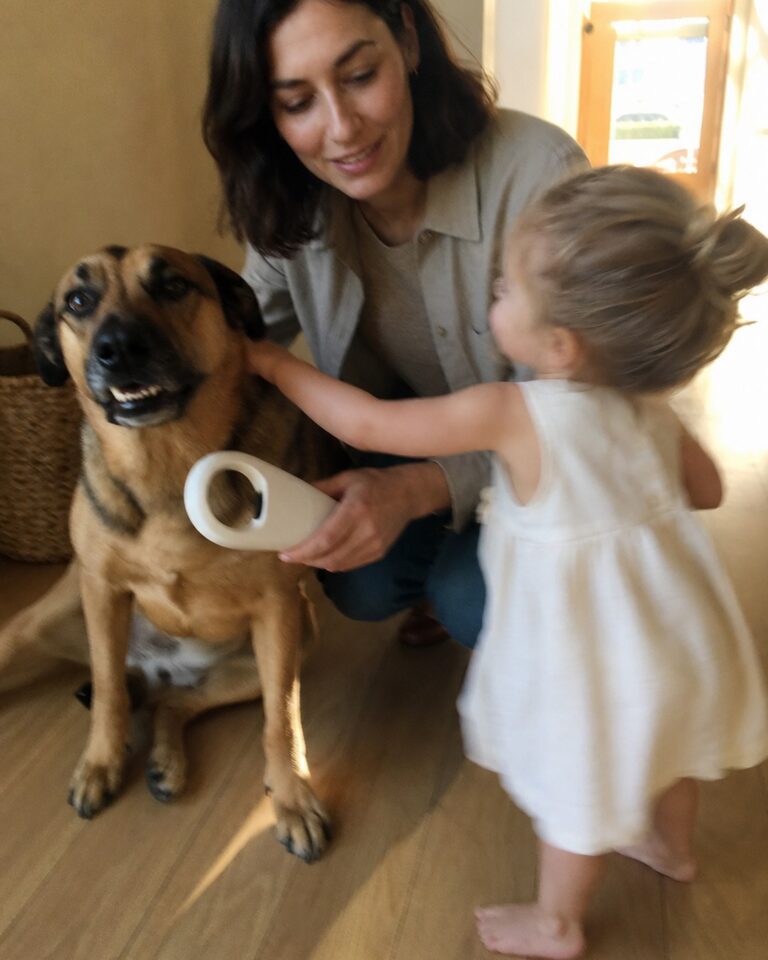
Tera makes the strongest case when you are solving an access problem, not a complexity problem. If you live in a rural area, help with found pets often, foster enough to want a reader close by, or simply want a dog micro chip scanner for direct-care peace of mind, the brand’s compact approach makes sense. It feels like something a normal person might actually keep charged and use instead of admire from a drawer.
The cheap handheld temptation
The simpler handheld is the one most likely to win people over on price alone. Best Buy frames it like a normal home-use tool, and that is a big part of the appeal. The trouble is that the public spec trail is messy. Best Buy says 64 stored scans, Walmart Business shows another portable Tera listing with different storage details, and reseller pages are where the FDX-A and AVID warnings show up most clearly.
The most useful public customer signal comes from Walmart Business, and it is mixed. Some buyers liked the price, portability, and ease of use. One reviewer specifically complained that the unit did not read AVID chips. Another reported a charging failure severe enough to mention smoke. That does not prove every Tera handheld is bad, but it is enough to rule out a blind recommendation.
Tera versus Hero in plain English
Hero Advanced Reader asks you to spend more, but it gives you fewer compatibility caveats and less second-guessing. Tera wins when you want a simpler buy, a friendlier form factor, and a lower threshold for scanner ownership.
Where Tera Falls Short
Tera falls short when you want one handheld answer that is easy to recommend without qualification. The brand is tied to compatibility caveats, messy marketplace specs, and a thin independent proof trail. A smaller reader does not change the fact that some chips still will not read.
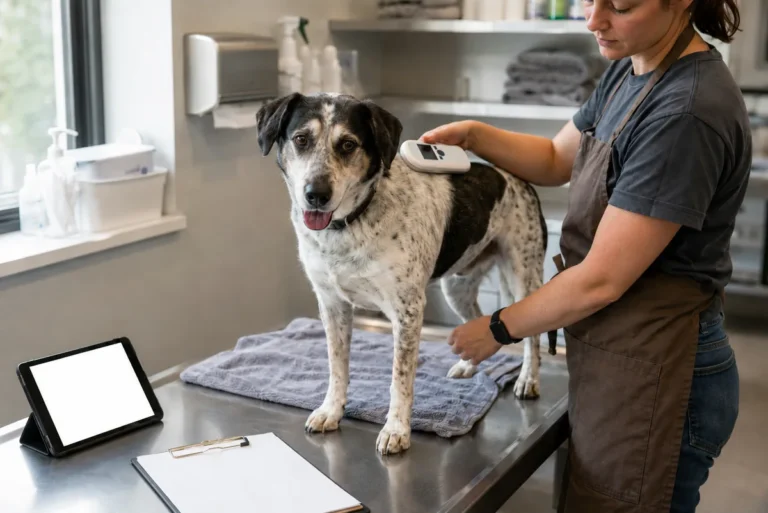
It also falls short once your day starts looking more like rescue intake than casual ownership. If you are moving through kennel rows, uncertain chip histories, breeder handoffs, or harder-to-handle animals, the compact-versus-stick distinction becomes obvious quickly. Tera is not built for that kind of scanning pressure. For that institutional angle, read Best Animal Microchip Scanner for Shelters, Rescues, and Breeders.
The last weakness is the public trail itself. On May 2, 2026, the official H02 page was unavailable, the Best Buy page was unavailable, and the clearest review pool came from a Walmart Business page with some noisy non-pet signal mixed in. That is not disqualifying, but it is a reason to trust the limitations more than the marketing language.
FAQ
Does a tera pet microchip scanner read AVID chips?
Not reliably enough to call it safe. Tera’s own 2025 guide says the H02 may not read AVID chips, and third-party seller pages for the cheaper handheld say even more bluntly that it does not support AVID. If AVID compatibility matters in your situation, Tera is not the place to gamble.
Is a tera pet microchip scanner a good dog micro chip scanner for home use?
Yes, it can be a reasonable dog micro chip scanner for home use if your expectations stay grounded. That is especially true for checking your own pets, confirming adoption paperwork, or scanning a found dog before the next business day. It becomes much less reasonable when you want home use to quietly cover every chip problem that might exist.
Is Tera the best pet chip scanner for most buyers?
No, not for most buyers in the broadest sense. Tera can be the best pet chip scanner for a narrow buyer who wants a compact, accessible tool for direct-care or found-pet use and accepts the compatibility ceiling. It is not the cleanest all-around recommendation when unknown chip history is the whole reason you are shopping.
Is Tera a strong mobile pet chip scanner if I travel or foster?
Yes, portability is one of Tera’s better arguments. A mobile pet chip scanner matters only if small size changes your actual behavior, and Tera’s compact build makes that more likely than a bulkier institutional reader would. Just do not confuse mobility with broader coverage.
Can my phone replace a Tera scanner?
No. Your phone is not a substitute for dedicated reader hardware. The scanner gives you the chip number, and then you still use a lookup path such as AAHA’s registry tool to find the right registry next step. If you want the compatibility language unpacked in plain English, read Universal Pet Microchip Scanner Guide: ISO, AVID, RFID, and When You Need a Stick Reader.
Final Recommendation Summary
Tera makes scanner ownership feel approachable for owners, fosters, and repeat found-pet responders who want a compact reader nearby. That is real value. It just does not make compatibility anxiety disappear.
The H02 is the Tera version I would choose if you want the brand’s fullest current feature set. The cheaper handheld is worth considering only if price is the whole point and you are honest about the limit. Neither is the handheld I would pick for unknown-chip certainty.
Buy Tera when the real problem is access, portability, and price. Skip Tera when the real problem is compatibility doubt. If that is you, Hero Microchip Scanner Review covers the stronger handheld. If you want the broader owner shortlist rather than one brand, start with Best Pet Microchip Scanner for Individual Pet Owners.