Most of us do not spend an ordinary day thinking about a pet microchip scanner. Then a loose dog turns up near dinner, a neighborhood cat decides your porch is home, or you realize the nearest open clinic is a long drive away. Suddenly, the question is not abstract at all: can this pet’s chip help someone find them tonight?
Three separate pieces have to work together. The chip under the pet’s skin carries an identification number. A compatible scanner has to read it. Then a registry may connect that number with the family who enrolled the pet. The process can stall at any of those points, which is why choosing a reader is about more than making a screen beep.
One thing your phone cannot do is replace the scanner. Conventional implanted pet chips still need dedicated reader hardware; an iPhone, Android phone, or app cannot scan one by itself. From there, the useful questions are wonderfully practical. How close will the pet let you come? Do you know which chip they have? Can you reach a clinic or shelter when this is most likely to happen? For specific reader picks, we have separate guides to the Best Pet Microchip Scanner for Individual Pet Owners and the Best Animal Microchip Scanner for Shelters, Rescues, and Breeders.
What Is a Pet Microchip Scanner?
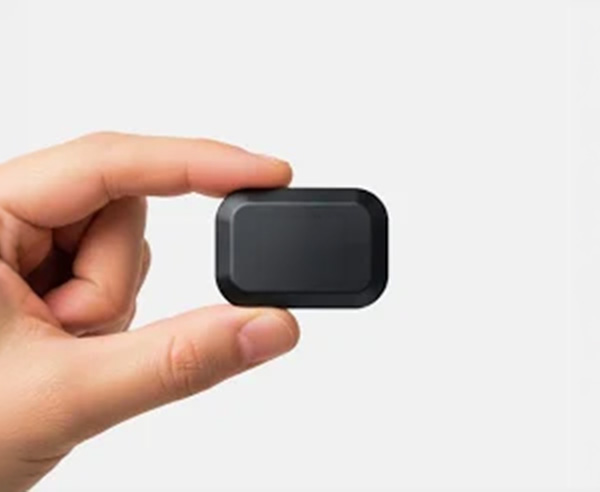
A pet microchip scanner is a handheld reader for the ID stored on an implanted chip. Pet chip scanner, pet chip reader, and animal chip scanner are other names for the same basic device. Pass a compatible reader over the pet, and the chip can respond with the number on its display.
That number is the handoff, not the homecoming. A scanner does not reveal a name, address, or phone number. You still have to trace the number through the registry system. Registry records are tied to microchip numbers, and AAHA’s lookup may return one or several registries for you to contact. The technology is not divided neatly into a dog micro chip scanner and a cat chip scanner, either. Chip format, reading distance, and what the pet will comfortably allow are the distinctions that matter.
Benefits of Pet Microchip Scanners
The clearest benefit is momentum. When a pet is away from everything familiar, even a short delay can feel long. A scanner can let you begin the search for their family while a clinic is closed, a shelter is busy, or transportation is still being arranged. That immediacy matters more when found pets are a regular part of your life or local services are far away.
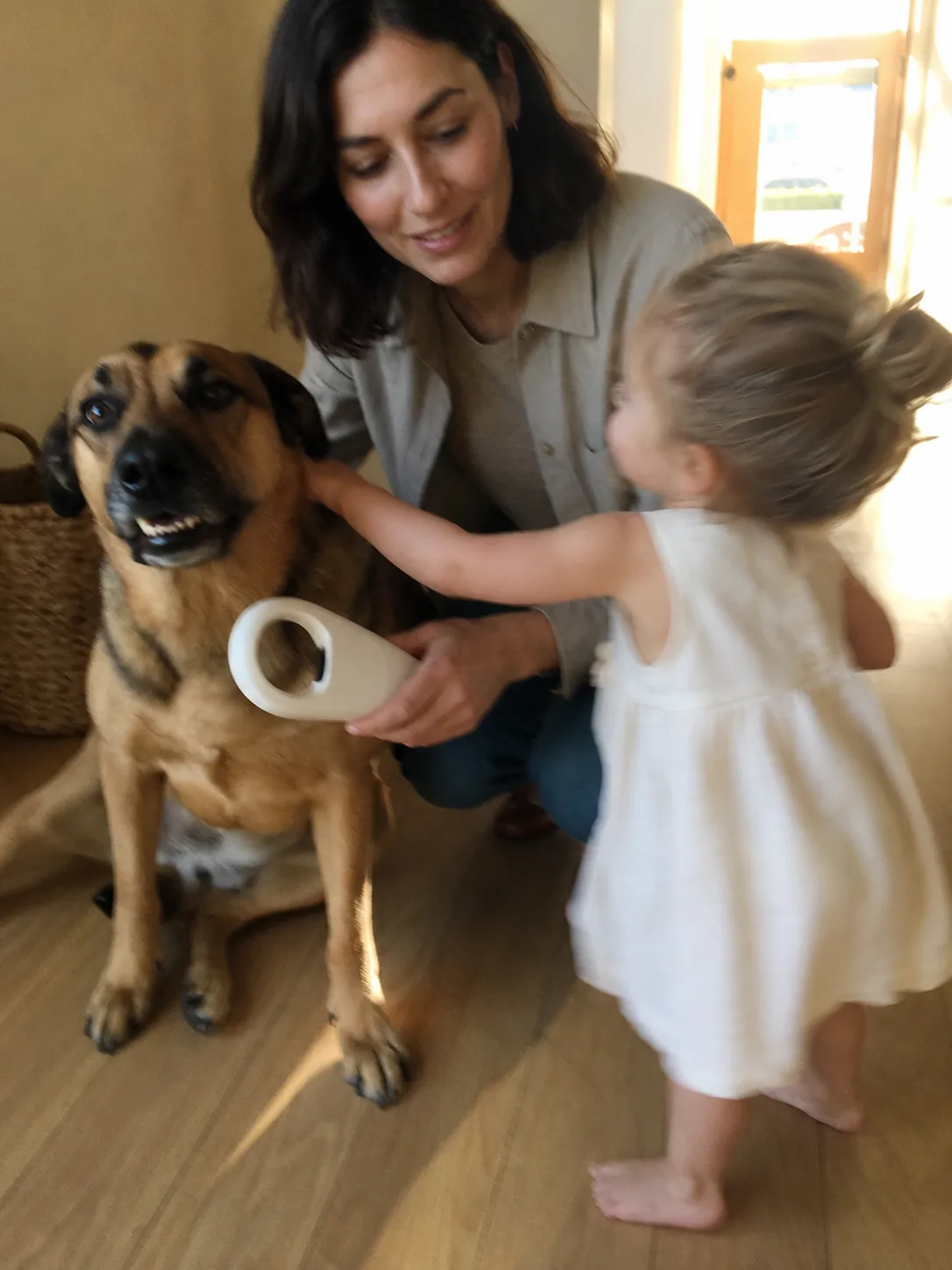
A reader can also turn an assumption into something you have actually checked. Perhaps you have just adopted your pet, are preparing to travel together, or cannot remember the last time anyone confirmed the chip was readable. The scanner can show you the ID. The registry must be checked separately to confirm where that ID is registered and whether the contact information is current.
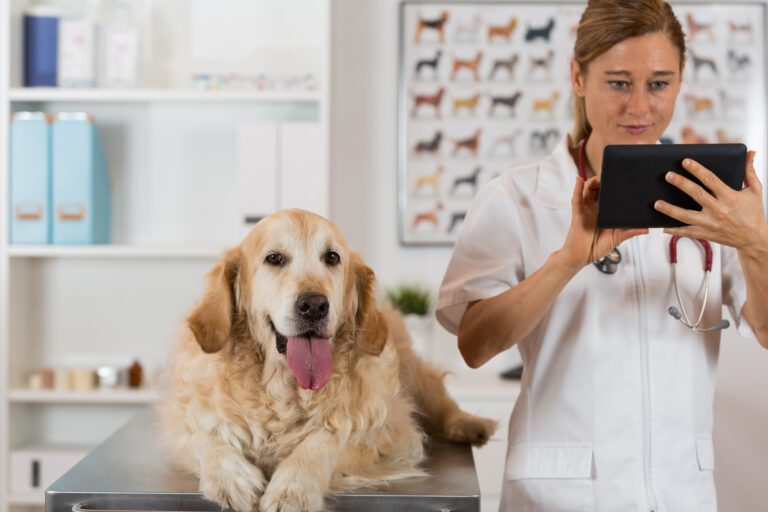
Inside a shelter, rescue, breeding program, or veterinary clinic, the same tool serves a more operational purpose. Teams may have many pets arriving, limited time, and brief windows in which safe handling is possible. Faster identification can make intake and transfer records clearer.
How Pet Microchip Scanner Technology Works
The scan itself
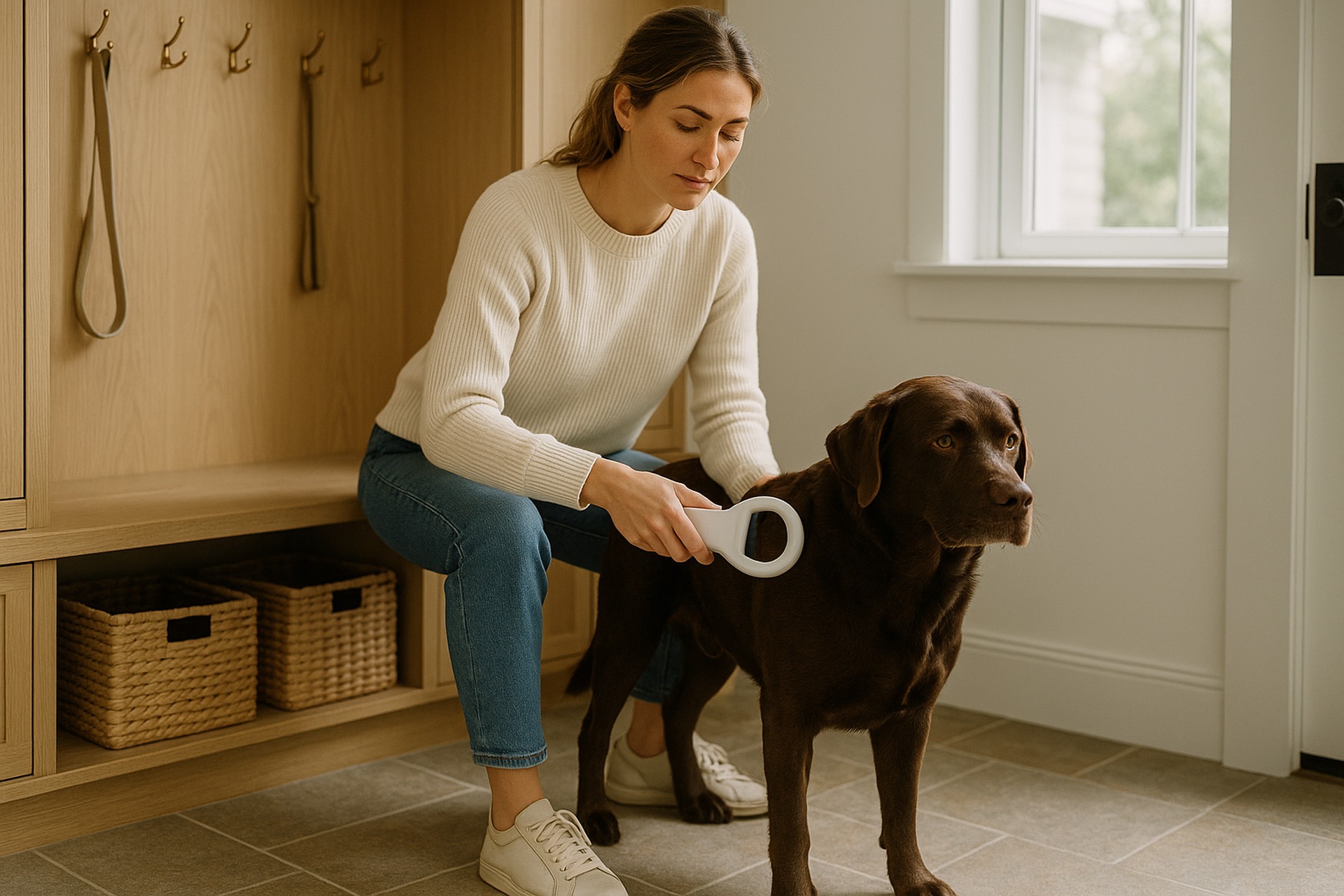
An implanted microchip is passive. It is not a GPS tracker, and it does not send out a running signal. A compatible reader has to be close enough to energize the chip briefly and receive its ID.
That is why a careful scan beats a hurried wave. Start near the shoulders and move slowly in an overlapping S pattern for at least ten seconds. Turn the reader 90 degrees and scan again. If the screen stays quiet, cover a wider part of the body, check the charge, and move a metal collar or nearby electronics aside when doing so is safe. Chips can occasionally migrate from the expected spot. One fast negative pass answers very little.
Compatibility
The label on the box matters less than the formats listed in the specifications. According to AKC Reunite recovery statistics, more than 90% of microchipped pets in the U.S. have 134.2 kHz ISO chips. That makes ISO support useful in many everyday situations, but it does not make every pet’s history predictable. If you expect to meet unknown chips, our RFID pet scanner explains the compatibility question in more detail.
Even models from the same brand can cover different formats. The H02 discussed in our Tera Pet Microchip Scanner review supports EMID, ID64, and FDX-B/ISO 11784-11785; Tera’s current guidance says it may not read AVID chips. The Hero Microchip Scanner Review draws an equally useful contrast. PocketHero reads 15-digit ISO chips only. Hero Advanced covers 9-, 10-, and 15-digit chips, except discontinued AKC Trovan chips.
Picking the right size
Picture the pet, not the shelf where you will store the reader. Your own easygoing cat may let you make two patient passes with a compact scanner. A frightened dog who has just wandered into your yard may flinch when an unfamiliar hand reaches over their back. A cat inside a trap may not permit that closeness at all.
Extended readers exist for those moments. AKC Reunite’s WandScan 900 Reach is designed with crate and cage scanning in mind. AVID offers a wand on the same principle, and Datamars / PetLink has extended-distance hardware too. Extra reach is not about having the fanciest shape. It can give a worried pet more space and help the person scanning avoid forcing contact. If the reader normally stays in a garage, rescue vehicle, or intake room, its larger size may be no burden at all.
What to do after you scan
When a number appears, save every digit carefully. AAHA’s lookup can point you toward the registry or registries associated with that number. You then contact them and follow their process. Sometimes the path is quick. Sometimes the information is old, incomplete, or spread across more than one record. Either way, the scanner has supplied a lead rather than personal details.
For repeated scanning, the useful extras come after that core task. Hero can transfer data by Bluetooth. Datamars supports app-based records. AKC Reunite and Hero offer temperature-capable readers for intake-heavy settings. Peeva is relevant as a cloud-connected records and integration layer. Those tools may save an organization from retyping information; they are rarely the reason a pet parent needs a simple reader at home.
Types of Pet Microchip Scanners
Compact readers for familiar pets and easy handling
Compact readers suit a known chip format, a pet who accepts close handling, and a scanner that only comes out occasionally. Tera’s H02 belongs in this conversation when its supported formats match the chip you expect. PocketHero ISO is another deliberate option for 15-digit ISO chips, but not for 9- or 10-digit formats.
Small readers are easy to tuck away, which creates its own small risk: forgetting about them. Store the charging cable with the device, top up the battery from time to time, and use the supplied test tag if there is one. Readiness matters more than drawer space when a pet is waiting.
Compact universal readers for mixed or unknown chip history
When you do not know which chip may be under the fur, broader compatibility earns its place. Hero Advanced Reader, Datamars Compact Max+, and AVID MiniTracker 4 are compact readers positioned for wider format coverage. They avoid the bulk of a wand while reducing the chance that an ISO-only choice leaves an older or different chip unread.
We would favor this type for recurring found-pet or volunteer situations, but we would not treat “universal” as a guarantee. Broader coverage lowers the chance of a mismatch; a practiced scan and a second compatible or professional scan still matter when the result remains negative.
Stick and extended-reach readers for crates, kennels, and field work
A wand earns its length when the pet needs distance. An animal chip scanner with extra reach can be the safer, kinder fit. AKC Reunite’s WandScan 900 Reach, AVID’s wand, and Datamars’ extended models are built around cages, kennels, traps, or other conditions where a compact reader may be hard to position safely. Shelters and rescues encounter that problem often, but so can anyone helping a frightened found pet. For the particular realities of traps and colony care, see our guide to a cat chip scanner.
Connected systems
Bluetooth and cloud tools matter when the number must become a record again and again. Hero and Datamars can reduce retyping through Bluetooth or app support. Peeva presents a broader records-and-integration approach. That can be valuable for a clinic, shelter, rescue, breeder, or organized community-cat program. If you expect one occasional home scan, a clear number on a dependable screen may be all you need.
What to Consider When Choosing One
Compatibility first
For an unknown pet, begin with formats. A low price and neat design cannot compensate for a reader that does not support the implanted chip. For your own pet, the answer may be simpler: confirm the chip type, then choose a reader that explicitly covers it. The more varied the pets you may meet, the stronger the case for broader coverage.
Handling distance
Close handling is not a footnote. A dog micro chip scanner used during rescue transport must fit the frightened dog in front of you. Ask what this particular pet is showing you. Are they leaning into familiar touch, or shrinking away? Can you move slowly along their shoulders, or are they safest inside a carrier? Your calm indoor cat and a community cat in a trap may carry the same kind of chip, yet need very different reader shapes. The same is true of your own dog and a frightened dog met during a rescue transfer.
When keeping your own reader makes sense
Your routines decide whether a scanner belongs in the drawer at all. With several nearby clinics or shelters open when you need them, borrowing their equipment may be the sensible answer. Frequent fostering, breeding, rescue volunteering, found-pet calls, or a long rural drive can make a charged reader at home genuinely useful. Before buying, compare those moments with the real hours and options behind a pet chip scanner near me search.
Which features will you actually use?
Each extra should solve something you actually repeat. Bluetooth can spare a rescue team from retyping IDs. USB export and stored records can help with intake notes. Temperature-compatible chips and readers may add useful information in certain programs. If you only want to confirm one number from time to time, those same features may become cost and upkeep without much benefit.
Where to buy and availability
You may not find the full range beside collars and food at a neighborhood pet store. If you want a compact reader for an occasional check at home, options such as Tera models are commonly easier to find online. Hero, AVID, Datamars, and some AKC Reunite equipment often appear through specialty or professional channels. Models within the same product family can support different chip formats, so the family name alone does not establish compatibility. If your plan is to use a clinic, shelter, or pet store instead, call ahead about hours, price, and scanner availability.
Common Problems to Watch For
First, the phone myth: a phone by itself is not the reader. Second, the word “universal”: it signals broader compatibility, not flawless detection. Formats, battery charge, orientation, reach, and technique all remain part of the scan.
Third, the registry can be messier than the beep suggests. The chip holds the ID, not someone’s personal details. AAHA’s lookup may return more than one registry, and the contact record may be outdated or incomplete. Keeping your own pet’s registration current is part of making the chip useful.
Fourth, silence is not certainty. After a negative pass, slow down. Rotate the reader, repeat the pattern, and scan beyond the shoulder area. If nothing appears, try another compatible reader or seek a professional scan rather than concluding that the pet has no chip.
Many veterinary clinics, shelters, and some pet stores will scan a found pet, often free of charge. That may be the easiest answer. It is not identical everywhere, though, and an after-hours or rural gap can change what is practical. A quick call can confirm when they are open, whether there is a fee, and what scanning help is available.
Which Type of Pet Microchip Scanner Is Right for You?
- For a known compatible chip and a pet who is comfortable with close handling, start compact. Tera H02 can suit its listed formats; PocketHero suits a deliberate 15-digit ISO-only need.
- For repeated encounters with unknown chip histories, choose broader compact coverage. Hero Advanced Reader, Datamars Compact Max+, and AVID MiniTracker 4 fit that need because they cover several common pet microchip formats.
- For crates, kennels, traps, fearful pets, or defensive behavior, choose reach. AKC Reunite, AVID, and Datamars all offer wand or extended options designed around that physical challenge.
- For repeated intake and records, consider connections. Hero and Datamars support data transfer, while Peeva is most relevant as a records layer in organized settings.
Cost Considerations
Smaller readers with narrower format support generally occupy the entry tier. Compact readers with broader compatibility form the useful middle. Wands, temperature functions, more durable intake designs, and connected records move toward premium pricing.
Price is only a saving when the reader can do what the moment asks of it. The quiet expense is buying a narrow reader, discovering that it cannot recognize the chip in front of you, and purchasing again. Put supported formats first, the pet’s handling needs second, and optional data features after both.
FAQ
Can my phone work as a pet microchip scanner?
No. A conventional implanted pet chip needs dedicated reader hardware. Your phone may help with the registry lookup or receive information from a compatible external reader afterward.
Do I need a universal reader or is ISO enough?
ISO can be enough when you know the pet has a compatible 15-digit ISO chip. When the history is unknown or mixed, broader format support gives you a better chance of detecting the chip. One negative scan still does not settle the question.
Why did my first scan not find anything?
Several things could be happening: low charge, unsupported chip format, chip orientation, a scan that moved too quickly, or a chip outside the expected shoulder area. Scan slowly for at least ten seconds, turn the reader 90 degrees, repeat, and widen the search. If it remains negative, use another compatible or professional reader before deciding there is no chip.
Do vets and shelters already have scanners?
Many do, and many have broad-format equipment or scan found pets at no charge. Hours, price, and equipment differ, so call ahead whenever possible.
Is a dog micro chip scanner different from a cat chip scanner?
Usually not. Supported chip formats, reading reach, placement, and what the pet will allow matter more than species.
What does a pet chip reader tell me after the scan?
It displays the chip’s ID number. You then look for the registry or registries connected with that number. The reader does not display personal contact details.
When is a wand reader worth it?
When getting close would frighten the pet, put someone at risk, or be impractical through a crate, kennel, or trap. The added reach can make a careful scan possible without forcing closeness.
Final Summary
The right pet microchip scanner is the one that fits both the chip and the pet. For a known format and an easygoing companion, a compact pet chip scanner may be plenty. When the chip history is a mystery, a universal pet chip reader offers a broader starting point. When closeness is the problem, an extended animal chip scanner may matter more than anything on the feature list. Connected tools earn their place when scans must become records repeatedly.
We would choose for the hardest honest part of the situation: compatibility, safe reach, local access, or recordkeeping. Keep the reader charged, learn a slow two-pass scan, and never let one negative result end the search. A dependable scan cannot promise a reunion, but it can give the pet in front of you a much better next step toward home.