Physical Address
304 North Cardinal St.
Dorchester Center, MA 02124
Physical Address
304 North Cardinal St.
Dorchester Center, MA 02124

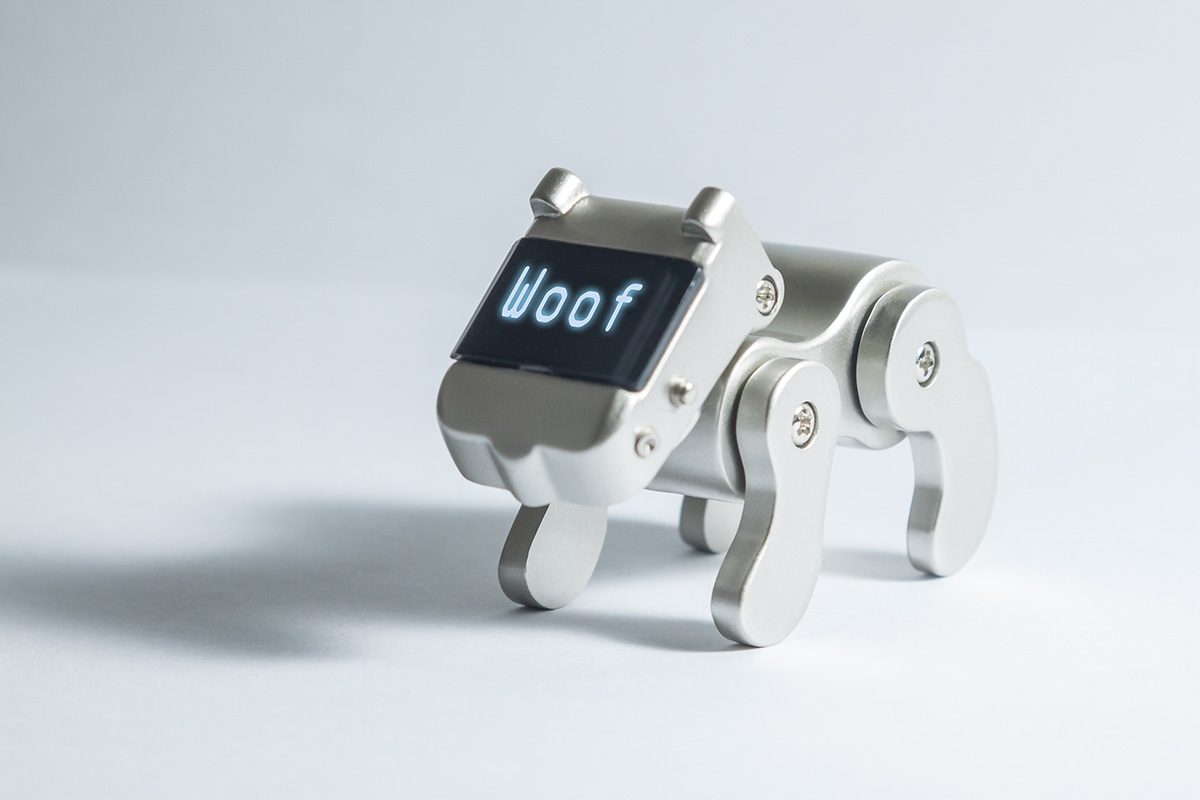
Pettech is a term that was previously used only by geeky technologists and venture capitalists. Now, pettech is moving mainstream. Here, we’ve captured a roundup of everything you need to know about this hot new category.
Your cat has a veterinary portal, a microchip number, an insurance profile, several camera clips, and absolutely no intention of helping you remember any of the passwords.
Modern pet technology has layers. There is the object you can touch: a tracker, feeder, camera, door, toy, litter box, fountain, or robot vacuum bravely entering another round of fur season. Then come the invisible parts that keep it interesting: sensors, Bluetooth, GPS, cellular networks, Wi-Fi, apps, cloud storage, subscriptions, integrations, and the company deciding what all of those pieces will do next year.
Those systems can know surprisingly intimate things. A GPS service may hold months of dog-walk routes and the location of your home zone. A camera can see the inside of your house. A robot vacuum may build a floor plan while collecting the tumbleweeds under the sofa. Storage depends on the product and settings; for one concrete example, iRobot says its Smart Maps are stored in its cloud, with controls for disabling mapping features.
The industry behind the device becomes personal very quickly. You care when a company is bought and the app changes. You care when a subscription rises, a cellular network ages out, a privacy policy expands, or three years of your dog’s activity history cannot be exported. You also care when a shelter record follows your foster into a new home, a veterinary specialist receives the right images, or an insurer’s app requests one more document.
That is why it is worth learning a little about the brand behind a device before you buy. Who owns it, how long the company has supported earlier products, and what it charges for connected features all matter. So do the privacy policy and whether you can export your data. Together, those details shape how long a gadget keeps earning its spot in your pet’s life.
If you came here to choose the fun hardware—the feeders, trackers, cameras, toys, doors, fountains, litter boxes, and other delightful evidence that your pet now has better electronics than your first apartment—start with our Smart Pet Gadgets guide. This is the behind-the-scenes side: how a connected product communicates, where its data goes, and what changes when that information reaches veterinary care, shelters, or insurance.
Pet technology, often shortened to pet tech or pettech, includes the hardware, software, services, networks, records, data systems, and digital infrastructure built around animal care.
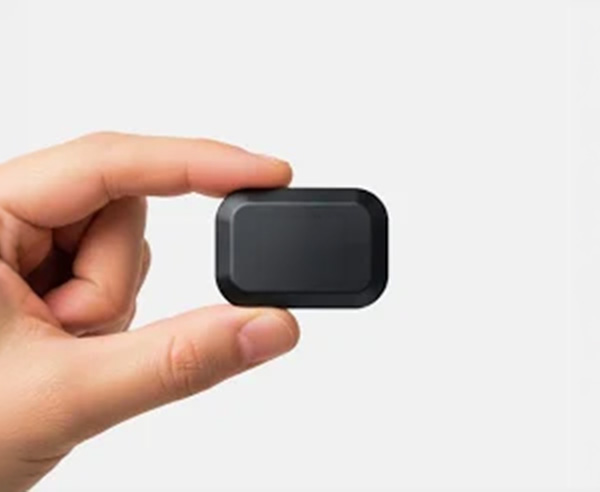
Some of it lives in your home. A connected collar records activity. A camera sends video. An automatic feeder logs meals. A DNA test turns a cheek swab into a very dramatic family tree.
Some of it lives with the company behind the product. The app may store your settings and history. A cloud service may process alerts or video. A cellular provider may carry a tracker’s location update. Another company may supply the mapping, payment, identity, or artificial-intelligence service inside the branded experience.
Some of it lives behind desks you never see. Veterinary software stores exam notes and lab results. Shelter systems connect an intake record with a foster home and adoption profile. Microchip registries connect a tiny identification number with contact information. Insurance platforms collect invoices and medical histories before deciding what a policy will reimburse.
These layers can have different futures. A tracker may still fit beautifully while its app changes owners. A camera may keep recording locally after one cloud feature disappears—or it may depend on the company’s servers for nearly everything. A microchip can remain in place for your pet’s lifetime while the phone number attached to it becomes ancient history.
One tiny language trap: “vet tech” commonly means veterinary technician, a skilled member of your pet’s care team. “Veterinary technology” means the software, equipment, diagnostics, portals, and connected tools used in care. Your veterinary technicians deserve better than being confused with a dashboard.
The words on a product page can make Bluetooth, GPS, Wi-Fi, and cellular service sound like four flavors of the same invisible sparkle. They do different things.
A connected pet device usually needs to complete several steps. A sensor notices something. The device determines or records the information. A radio or network moves it. Software interprets it. An app displays it. If any part relies on a company’s cloud, that company becomes part of the experience every time you tap.
A single gadget may use several. Your phone can use Bluetooth to set up a tracker and Wi-Fi to recognize a home zone. GPS calculates the position; cellular service shows it to you while your dog is far beyond the router.
GPS satellites broadcast one-way signals. A receiver uses them to calculate position; GPS.gov explains that the satellites themselves do not track anything on the ground. GPS can tell a device where it is without sending that answer to you.
A live pet tracker therefore needs a second path. Many use cellular service to send coordinates to the company’s system, which updates the app on your phone. Tractive’s technical explanation describes the distinction neatly: GPS provides the “where,” while cellular or Wi-Fi carries the location onward.
That split explains several mysteries:
The network and the positioning system are separate failure points. For a tech-minded pet owner, that is much more informative than a box that says “unlimited range” in heroic type.
The Bluetooth SIG describes Bluetooth as a short-range wireless standard, with Bluetooth Low Energy optimized for low-power, efficient device communication.
Bluetooth works beautifully for pairing a feeder, syncing a wearable when your phone is nearby, opening a settings screen, or connecting a small accessory. It does not automatically include GPS, cellular service, or internet access.
Some Bluetooth finder networks can locate an item beyond your own phone’s direct range by asking other participating devices to detect the tag. Apple describes its Find My network as nearby Apple devices detecting the accessory’s Bluetooth signal and reporting its approximate location to the owner. That wider reach comes from the company’s finder network, not from one Bluetooth radio suddenly shouting across town.
This distinction matters when pet products use “tracking” loosely. Close-range finding, community-network finding, and live GPS-plus-cellular tracking can all appear on a search page while relying on very different infrastructure.
A Wi-Fi pet camera, feeder, robot vacuum, or litter box typically talks through your router. Remote access may follow a path that looks like this: device to home network, home network to the company’s cloud, company’s cloud to your phone.
That arrangement can deliver remote video, alerts, schedule changes, shared access, and history. It also means a router change, internet outage, cloud problem, app login, or company decision can affect the experience.
Local behavior varies. One feeder may keep its schedule when the internet drops. Another feature may disappear until the cloud returns. One camera may support local storage. Another may reserve history or smart alerts for a paid plan. “Uses Wi-Fi” tells you how the gadget connects; it does not tell you what survives offline.
RFID is a broad family of radio-identification technology. In pet products, it may let a feeder recognize the right cat or a door recognize an approved collar tag. An implanted pet microchip also provides identification when a compatible scanner is brought close enough to read it.
These systems can feel wonderfully smart without knowing where your pet goes all day. Identity and location are different technical problems. A selective-entry cat door may know exactly which cat is standing at the flap and still have no idea where she spent the previous three hours.
Pet products increasingly overlap with the wider smart home. Cameras, locks, sensors, robot vacuums, speakers, hubs, and automations may come from companies that do not primarily think of themselves as pet brands.
Matter is one attempt to make devices from different companies cooperate more consistently. The Connectivity Standards Alliance says Matter uses technologies including Bluetooth Low Energy for setup and Wi-Fi, Thread, or Ethernet for connections. The standard added robot-vacuum support in Matter 1.2 and camera support in Matter 1.5, although a Matter badge does not create pet-specific features by itself.
Interoperability can give you more choices about which app or platform controls a device. Brand-specific features may still live in the manufacturer’s own app and cloud. The standards layer and the pet-experience layer can coexist, which is wonderfully nerdy and occasionally another reason to read the setup screen.
Clip a connected tracker to your dog and the maker joins the routine, too. It may run the app that shows where your escape artist went and store the video that proves your cat pushed the plant over. It may also bill the subscription and decide how long updates continue. A huge electronics company, a pet specialist, and a tiny startup can each make excellent gear; the logo alone cannot promise a long, happy app life.
Before buying, check which features require the cloud or a subscription and how long software updates are promised. Then look at what the gadget collects, whether you can export history, and what remains if the service changes. That five-minute company check matters when a camera can see your home or a tracker remembers every route your dog walks.
Whistle’s move to Tractive—and Tractive’s later acquisition by Bending Spoons—shows how quickly an old offer or support page can age. Our guide to the pet tech companies has the concise pre-purchase check, including privacy, subscriptions, support, and shutdown planning.
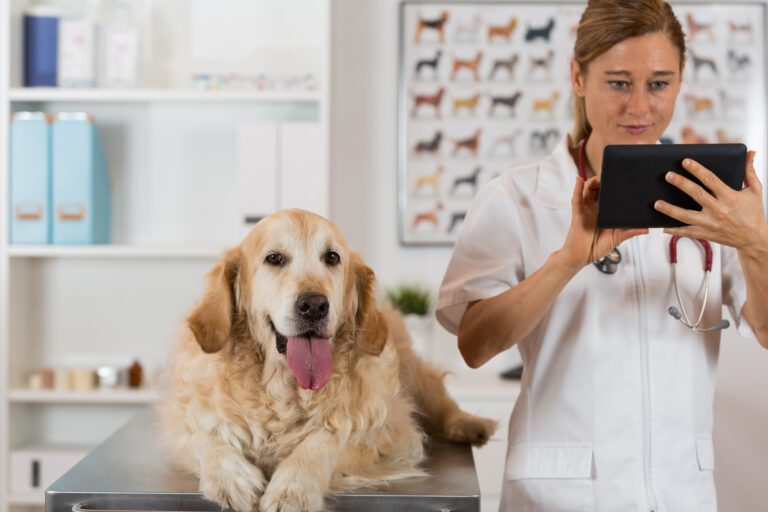
A veterinary portal, wearable report, camera clip, and formal medical record do not all carry the same meaning. The record tells the next clinician what care has already happened. Home-generated pet health data can show what changed between visits, in the place where your pet actually sleeps, eats, wanders, and develops a mysterious new 3 a.m. routine.
Start with one delightfully easy question: how does your veterinary team want the information? A practice may prefer a portal message, email attachment, printed summary, or report sent before the appointment. Find out who reviews it, how quickly, and whether it becomes part of your pet’s medical record. A file appearing in the portal is not proof that the right person has seen it.
Portals are excellent front doors for appointments, routine questions, refills, photos, and records. They are not emergency rooms. If your pet looks unwell or an alert appears urgent, use the practice’s urgent-care instructions rather than waiting for a routine inbox.
When records move to a new veterinarian or specialist, confirm that the handoff includes the useful pieces: exam notes, medication history, laboratory results, reports, and diagnostic images when relevant. “The records were sent” can still leave an X-ray sitting in a different system.
Wearable data works best as a trend with context. Share what changed, when it began, what your pet was doing, and which graph or clip shows it most clearly. A consumer wearable can add evidence to a veterinary conversation; it does not diagnose your pet because the dashboard turned orange.
Our practical guide to share pet health data covers vet records, referrals, portals, telehealth, wearable summaries, and the questions that keep 78 screenshots from becoming the entire appointment.
When you adopt a pet, foster for a rescue, scan a found animal, or help care for neighborhood cats, you may only see one screen. Behind it, a record can travel through intake, medical care, behavior notes, foster placement, transfer, adoption, and follow-up.
That record may carry a name, photo, physical description, found location, microchip number, vaccine history, medication schedule, veterinary notes, foster observations, and placement status. Accuracy is not administrative sparkle. It helps the next person give the right medication to the right pet, recognize an existing health issue, contact a caregiver, and describe the animal honestly to a potential family.
Shelter Animals Count maintains standardized systems for tracking shelter admissions and outcomes, community services, and individual-animal data. Its community-services framework includes work that happens outside formal shelter intake, such as trap-neuter-return, food distribution, and subsidized veterinary care. That is an important reminder: animal-welfare technology does not stop at the kennel door.
Fosters see the version of a pet that a busy shelter may never meet: how he sleeps after the first nervous night, which toy wins her over, whether stairs are confusing, how medication goes down, and what makes the tail appear.
A foster portal, form, shared inbox, or app can connect those observations to the animal’s record. The technology matters when the information reaches someone who can act on it. A new cough needs a medical path. A behavior observation needs context. A great photo and specific personality note can help an adopter recognize their future family member.
If you foster, ask where health changes, medication updates, behavior notes, and photos should go. Find out which channel is watched after hours and which messages are for the next business day. Keep the pet’s identifying information with the note, especially if you are helping more than one animal. “The little brown one refused breakfast” is a relatable text and a terrible database record.
A microchip does not broadcast a pet’s location. It stores an identification number that a compatible scanner can read. The number is then used to find registration information so someone can contact an owner, caregiver, rescue, or other listed party.
Every step matters: the animal must be scanned carefully, the chip must be readable, the registration must be traceable, and the contact information must be current. A chip can be physically present while the digital trail leads to an old apartment and a phone number from three haircuts ago.
If you want the full consumer explanation, read our Complete Guide to Pet Microchip Scanners. Volunteers and organizations comparing scanning needs can also see our guide to animal microchip scanners for shelters, rescues, and breeders and our deeper look at universal scanners, chip types, and stick readers.
For your own pet, keep the registration current. At least once a year, ask your veterinary practice to scan the chip and confirm that it can be found and that the number matches your record. Technology loves an annual audit almost as much as your pet loves sitting directly on the paperwork.
A neighborhood cat may not have a conventional owner, but care still creates information: appearance, colony location, caregiver contacts, trap date, sterilization, vaccinations, microchip number, treatment, return, and follow-up needs. Alley Cat Allies recommends microchipping community cats during trap-neuter-return and registering the chip to a caregiver or the organization that performed the work. Its clinic-tag resource also records the cat’s description, colony location, planned procedures, vaccinations, treatments, and health concerns. Those details help a clinic and caregiver stay aligned when several cats arrive in very similar traps wearing very similar expressions.
The best system may be a dedicated platform, a shelter partnership, or a carefully managed shared record. For the person caring for that cat, the test is simple: can everybody involved tell what has already happened and what needs to happen next?
Our feral cat colony microchip-scanner story follows this question through one caregiver’s experience. We also have deeper coverage of animal shelter management software and ways animal organizations use pet technology for readers who want to peek further behind the curtain.
Pet insurance has joined the connected-care universe. You may enroll online, store policy details in an app, upload invoices, and submit a claim. You can also track its status, receive reimbursement updates, or access a telehealth benefit without unfolding a single form from 2009.
The smooth version feels almost magical: your pet receives care, the documents travel, the claim status changes, and reimbursement arrives without a ceremonial offering to the office scanner.
The less smooth version asks for an itemized invoice, then medical records, then records from a previous practice, then a clearer copy of the invoice you already uploaded. Digital does not always mean automatic. Sometimes it means the scavenger hunt has push notifications.
AAHA says pet insurance usually works through reimbursement. You pay the veterinary bill, then submit a claim—often through an app or portal—with relevant invoices, receipts, and medical records. Some insurers may pay a veterinary practice directly, but that is not the default everywhere.
This makes your veterinarian’s record system part of the insurance experience. Can you retrieve an itemized invoice? Does the practice send records to the insurer, or do you? If the insurer requests the complete history, how quickly can it be assembled? A convenient claims app cannot reimburse a document it never receives.
An elegant dashboard does not tell you what is covered. The National Association of Insurance Commissioners advises consumers to look closely at exclusions, deductibles, payment limits, waiting periods, reimbursement methods, and pre-existing-condition rules. Coverage and processes vary by policy and company.
Also watch the language around wellness. A veterinary wellness plan may bundle routine services or spread their cost across the year. Pet insurance is a policy that covers defined risks under defined terms. The two may sit beside each other on a website and still be very different products.
Before falling in love with an app demo, ask:
The technology should make the policy easier to use and understand. It should not make the fine print disappear beneath excellent gradients.
Pet trackers and insurers are beginning to appear together in partnerships and wellness offers. That opens cheerful possibilities: activity challenges, preventive-care reminders, or easier access to monitoring tools. It also raises fair questions about what data is shared, who can see it, and whether participation affects a benefit.
Do not assume a tracker partnership means an insurer is interpreting your pet’s activity as a medical conclusion or using it to decide a claim. Check the specific program. Is the device simply a perk? Does data remain with the tracker company? Is sharing optional? Can you join without connecting the account? What happens to the history if the partnership ends?
This is a fast-changing edge of pet technology. The most promising programs give families more support and explain the data flow before your dog starts earning badges.
Pet technology has always had a hint of science fiction. We put satellites on the trail of runaway dogs, teach litter boxes to recognize bathroom patterns, and casually check a camera because the cat has been suspiciously quiet for twelve minutes.
The next wave reaches beyond smarter household gadgets. It connects home observations with clinical records and uses cameras or sensors to measure health without touching your pet. It also gives veterinary teams new ways to find patterns in images, labs, and long histories.
We can enjoy looking ahead without pretending every captivating idea is ready for your pet. So let’s keep the timeline honest: some tools are available now, some remain in research, and some are still the very good kind of daydream.
AI is already present in parts of veterinary medicine. AAHA’s telehealth guidance says AI-assisted diagnostic services are working their way into practice. UC Davis describes current research and clinical work involving diagnostic classifiers, imaging interpretation, pathology, and tools that connect machine learning with electronic health records.
Pet owners can also see a gentler version of the trend. Cornell’s Riney Canine Health Center launched Big Red Bark Chat in 2025, an AI-powered tool grounded in Cornell’s canine-health materials. Cornell clearly labels it as an educational resource, not a replacement for veterinary diagnosis or treatment.
That distinction should survive every shiny demo. AI may help a veterinarian notice a pattern, organize information, or explain a term. Your pet still needs qualified humans to judge the evidence, examine the animal, and decide what happens next.
Researchers are testing contactless ways to monitor animals. A 2024 study described estimating heart rate from facial videos of resting dogs and cats by analyzing subtle changes in the image. Another research system used a seismic sensor in a bed or cage to monitor occupancy and vital-sign patterns in a small group that included dogs and cats.
These are research results, not permission to diagnose your cat by filming her judgmental face. They suggest a charming future in which a pet bed, camera, or clinic enclosure gathers health clues without adding another item to wear.
Activity monitoring is common. The more ambitious frontier includes resting heart rate, respiratory patterns, temperature, pain-related activity changes, and recovery trends. Researchers are comparing some measurements with clinical reference tools and testing whether continuous home data can help surface meaningful changes.
Promising does not mean universal. Performance may depend on the sensor, fit, coat, movement, setting, metric, and individual pet. A device that shows a helpful trend may still be unsuitable for making a medical decision from one reading.
The thrilling possibility is a care team receiving a trustworthy signal early enough to ask a better question—not a collar announcing a diagnosis during brunch.
Veterinary records hold years of clues, but they were created to document care, not to make every piece easy for a computer to compare. Researchers are developing tools that extract structured information from electronic records, connect machine-learning models with clinical systems, and support disease surveillance or decision-making.
If these systems mature, a veterinarian might receive more organized context from laboratory history, imaging, home monitoring, and earlier visits. A clever model is only the beginning. It still needs to be tested well, protect the data it uses, and give the care team something more helpful than another alert.
Imagine adopting a pet whose verified vaccine and medication history arrives neatly in your veterinary portal. A wearable notices a meaningful change and prepares a concise report in the format your veterinarian prefers. The clinic adds its findings. Your insurance claim receives the necessary invoice and record with your permission. You can see who accessed what, correct an error, and take a readable copy if you leave any service.
None of that requires a robot veterinarian or a holographic golden retriever. Most pieces already exist somewhere. The futuristic leap is making them cooperate without requiring one exhausted pet owner to become the integration department.
The most impressive system is the one the people caring for your pet actually use well. Look for technology with a clear purpose, human handoffs you can understand, and a plan for caring for your pet when the Wi-Fi behaves like Wi-Fi.
Ask how you can retrieve a complete record and how messages are monitored. Find out what belongs on the phone instead of the portal and how the practice handles emergency or specialty referrals. If you use a wearable, ask whether the veterinarian wants reports and what would make the information easier to interpret.
Notice the experience, too. Do reminders help? Can the team find the medication history? Does the technology make communication warmer and clearer? The best practices pair good software with excellent habits. A magnificent app is much less magnificent when it sends you three vaccine reminders for the wrong cat.
Ask where medical, medication, behavior, location, and contact updates belong. Confirm who monitors urgent messages. Make sure the animal’s identity travels with every note. If a microchip is involved, confirm that it was scanned, recorded, and registered to the appropriate person or organization.
For community cats, keep a dependable record of each cat’s appearance, location, TNR status, vaccinations, chip number, treatment, and follow-up. The software should make the record easy to keep current. The information cannot be imaginary.
Find out what documents you will need, what can be downloaded, who receives shared data, and what happens if the service changes. Separate app convenience from policy coverage. Separate a device’s hardware life from its cloud life. Save what you would need to keep caring for your pet.
Whatever the setting, the technology around your pet should protect the story of their care.
Smart pet gadgets are one part of pet technology. Pet technology also includes veterinary records and diagnostics, shelter and rescue software, microchip registries, insurance apps, telehealth platforms, data systems, and the services that keep connected products working.
Your veterinarian does not need to endorse every collar or memorize every dashboard. It helps when the practice can tell you which trends may be relevant and how to share them. The veterinarian can then interpret the information beside your pet’s symptoms, history, exam, and clinical tests.
A consumer wearable may flag a change or provide a trend worth discussing, but it should not be treated as a diagnosis. Follow the device’s intended use and your veterinarian’s guidance. If your pet seems ill or an alert appears urgent, contact the veterinary practice through its recommended urgent channel.
No. The app is a way to access or use a service. The policy defines coverage, exclusions, deductibles, limits, waiting periods, and reimbursement. A wellness plan may also have an app while remaining different from insurance.
The outcome depends on how much the product relies on the company. Local functions may continue, while app control, cloud history, cellular tracking, alerts, video storage, or integrations may stop. Check the company’s notice, export important records, confirm subscription and account terms, and create a replacement plan before any service deadline.
The answer depends on the service’s terms and privacy policy. Instead of assuming, check what the company collects and what access or export tools it gives you. Then look at who receives shared data, how deletion works, and what happens after an acquisition or account closure.
This is the behind-the-scenes tour: the systems that help vets remember, shelters coordinate, insurers process, companies support, and pet data travel.
For the joyful hardware side—what the gadgets do, which category fits your dog or cat, and how to choose technology that feels brilliant in your actual home—head to Smart Pet Gadgets: How to Choose Tech for Dogs and Cats.
Your pet may never care which database, portal, or cloud service made the day run smoothly. They will care that breakfast happened, the right person called, the medicine followed them home, and you found them faster. That is more than enough reason to care what happens behind the screen.