Searching for the best vacuum for pets and allergies usually means you are trying to solve a very particular kind of annoyance. You love the animal. You are not shopping for a new life. You just want the house to feel easier to live in, and maybe you are tired of emptying the vacuum like it is a tiny dander grenade.
This topic gets misunderstood constantly. Pet hair is one problem. Pet dander is another. Dust kicked back into the room during emptying is its own fresh insult. So the right vacuum here is rarely the one with the most impressive spec sheet. It is usually the one that keeps cleanup cleaner from start to finish.
If you want the wider cluster first, Pet Vacuum Guide: Choosing the Right Vacuum for Pet Hair at Home lays out the full map. If the part you keep thinking about is dander, dust, and the grossness of emptying, this is the better way to shop.
Hair pickup matters, but it is not the whole story
One reason this category gets messy is that people looking for the best vacuum for pet dander often land in the exact same recommendations as people who just want fur off the carpet. There is overlap, but the priorities are not identical.
Hair is visible and obvious. Dander and fine dust are less dramatic until the vacuum gets emptied or the room starts feeling stale again. So the right machine here is not measured only by how much pet hair it can lift. What happens after the dirt is inside the vacuum matters just as much. Dander that stays in the air is a separate job; whether an air purifier for pet dander is worth adding has its own guide.
HEPA is useful, but sealed-system design is what makes it practical
The phrase best HEPA vacuum for pet hair gets searched for a reason. HEPA filtration is useful information. It tells you something real about the filter. It just does not answer every important question on its own.
The more useful question is whether the vacuum is designed to keep captured dust and fine debris contained while you use it and while you empty it. Sealed-system language matters so much for exactly that reason. Dyson still has a strong premium case here. Shark and some of Bissell's pet-home models matter too. But a fancy filter claim by itself is not the same thing as a cleaner ownership experience.
Bagged versus bagless is where this decision gets real
For a mildly sensitive pet owner, this is often the part that matters most in daily life. Bagged vacuums are usually easier to defend because disposal is cleaner and more contained. If you hate seeing a cloud of fine dust or dealing with a packed bin full of fur, a bagged canister can feel much more civilized.
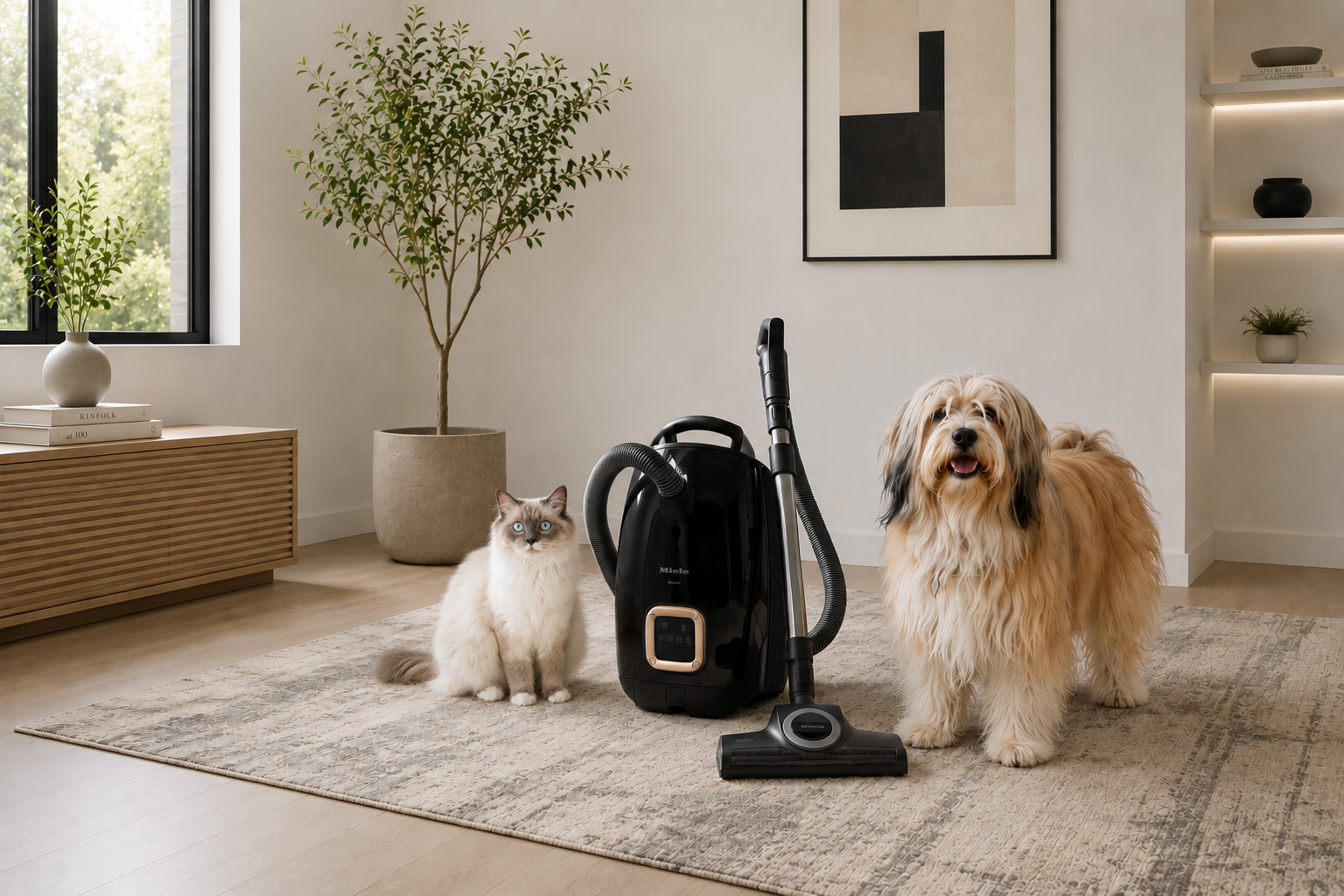
That is why Miele remains such an important example in this conversation. The Cat & Dog line still makes the clearest case for people who care about cleaner handling as much as pickup. If that is the angle driving your decision, Miele Cat & Dog Vacuum Review: Canister, Cordless, and Allergy-Sensitive Pet Homes is the better next read.
Bagless still has a real case. Some people do not want to buy bags. Some want a lighter cordless they will actually use every day. Dyson, Shark, and Bissell all stay relevant there. The point is not that bagged is morally superior. It is that cleaner emptying is a real tradeoff, and this audience usually feels it more sharply.
Cordless convenience can still win if it changes your routine
The right pick here is not automatically the biggest canister in the room. A cordless can still be the better real-life answer if it means you actually clean more often. Less buildup on the floor, the rug, and the sofa can matter just as much as the type of filter if the vacuum keeps coming off the charger.
Dyson is still the clearest premium example of that argument. Shark makes a more mainstream case. Tineco, Samsung, and LG matter because the station or tower side of ownership changes how some people live with the vacuum. Those systems do not make a medical promise, but they can make storage, charging, and some emptying steps less irritating than a bare-bones cordless.
The tradeoff is straightforward. If the dirty-emptying moment is the thing you dread most, bagged often still wins. If consistent quick cleanup is what would help your home most, cordless can make more sense than the cleaner-theoretical option you never use.
Robots are support cleaners, not allergy solutions
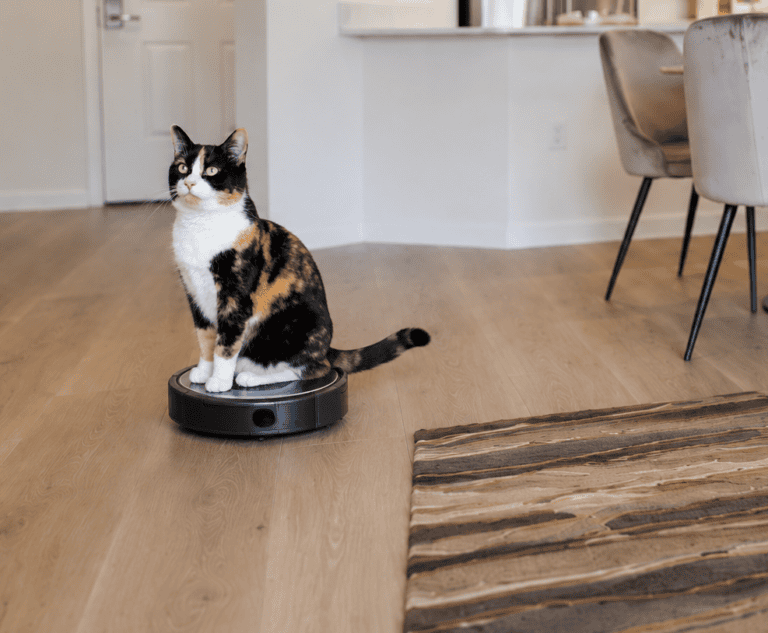
Robots can absolutely help with daily visible fur and floor debris. That can make the house feel better between deeper cleanings. It is just important not to turn that into a bigger promise than it deserves.
A robot still needs dock maintenance, bags or filters, brush cleanup, and occasional rescue work around corners or furniture edges. If your main goal is to find the best vacuum for pet dander, a robot is not the lead answer. It is a support tool that may help reduce buildup on open floors, especially in hard-floor homes.
What matters most when you are actually shopping
If you are comparing vacuums for pet hair and allergies, start with four questions. Does the model use HEPA or similar high-filtration language? Does the system look meaningfully sealed? What is the emptying routine like? And is this a vacuum you will really use often enough for the rest of the discussion to matter?
That is why the strongest examples split the way they do. Miele is the cleaner-emptying and calmer-handling answer. Dyson is the stronger premium bagless cordless answer. Shark and Bissell are useful mainstream full-size examples when the sealed-system language is tied to the right model. Tineco, Samsung, and LG are better for people who care about station convenience and a tidier ownership routine.
A more useful goal than chasing the perfect allergy vacuum
The best vacuum for pets and allergies is usually the one that makes your routine cleaner and easier to keep up, not the one that sounds most heroic in the product copy. If you are still not sure whether your real answer is canister, cordless, upright, or something else, Cordless, Upright, Canister, or Robot? How to Choose a Pet Vacuum by Cleaning Job is the better next step. If you want the broader shortlist instead, Best Pet Vacuum for Pet Hair is the faster route.
That is the practical version of this decision. A good vacuum can support a cleaner pet-home routine. It just should not be asked to pretend it is doing something larger than that. ARTICLE END