Nina told me the AirTag idea started in the apartment, which is exactly where an AirTag can make a person feel like she has finally outsmarted a cat. This is always a risky emotional position.
Her cat Miso had always been an indoor mystery artist. In the city apartment, she could disappear with the confidence of someone who had paid rent on a secret second unit. She had a rotation of hiding places: under the bed, behind the coats, in the back of a closet, inside a storage basket that did not look structurally capable of holding a cat until it did. Ohio State’s veterinary Indoor Pet Initiative treats that instinct as normal and builds hiding and perching spots into a cat’s basic needs.
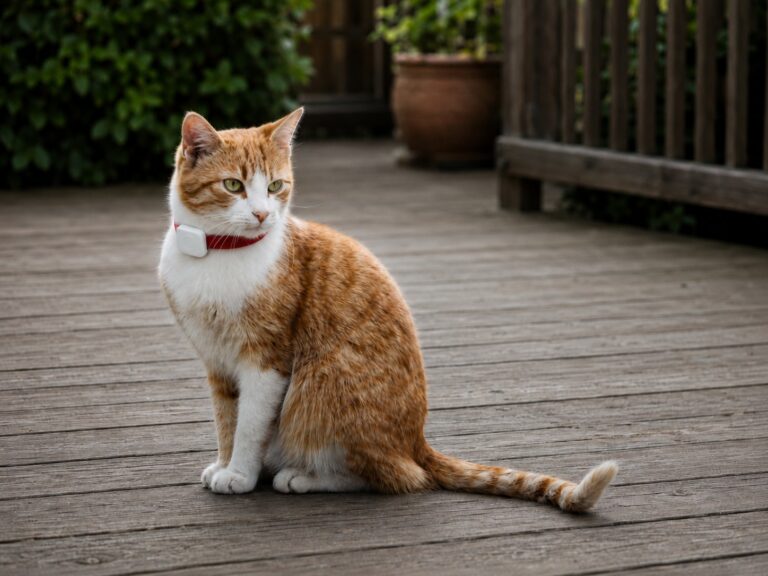
So when Nina put an apple air tag tracker for cats on Miso, it felt practical, familiar, and almost boringly sensible. Nina already had an iPhone. The AirTag was small enough to make sense as a tag. The Find My app was already part of her life. AirTags are a common choice for cat owners for exactly that reason: they are small, familiar, and easy to understand. The catch is that cat owners also need to know where the limitations start. Indoors in a city the airtag made perfect sense since it was designed to ping Nina if Miso escaped into the elevator when her cleaning lady came by.
Then Nina got married and moved to rural New Jersey, and the AirTag pet tracker choice moved with her for about five minutes.
Yes, rural New Jersey exists. I know the national imagination prefers malls, diners, and the turnpike, but Nina’s new place had trees, quiet roads, a real yard, fence lines, shrubs, a shed, and neighbors separated by more than one shared wall. For Miso, who had spent the first week after the move hiding under the bed, the backyard visits became a slow project.
The apartment made the AirTag feel smarter than it was
At first, Miso was cautious. She stayed a few feet from the back door. She sniffed the steps. She made brief investigative visits to the edge of the patio, then retreated inside as if she had concluded the yard needed further documentation.
That was the phase when the AirTag still felt perfect.
Nina could check the app and feel like she had a handle on things. Miso was nearby. The yard was fenced and visible. The tag made sense as a way to find a cat who had tucked herself behind the hydrangeas or under the porch furniture.
That apartment success can make an AirTag cat tracker setup feel very convincing, especially if the cat has mostly been an indoor problem. Find My can be very useful when the tag is nearby or when the network has enough nearby Apple devices to ping and find the location. Indoors, Nina was usually solving a limited puzzle. The apartment had walls. Miso had favorite hiding spots. Even when she escaped down the hall, she had not vanished into trees, hills, and the deeply unhelpful concept of “somewhere outside.”
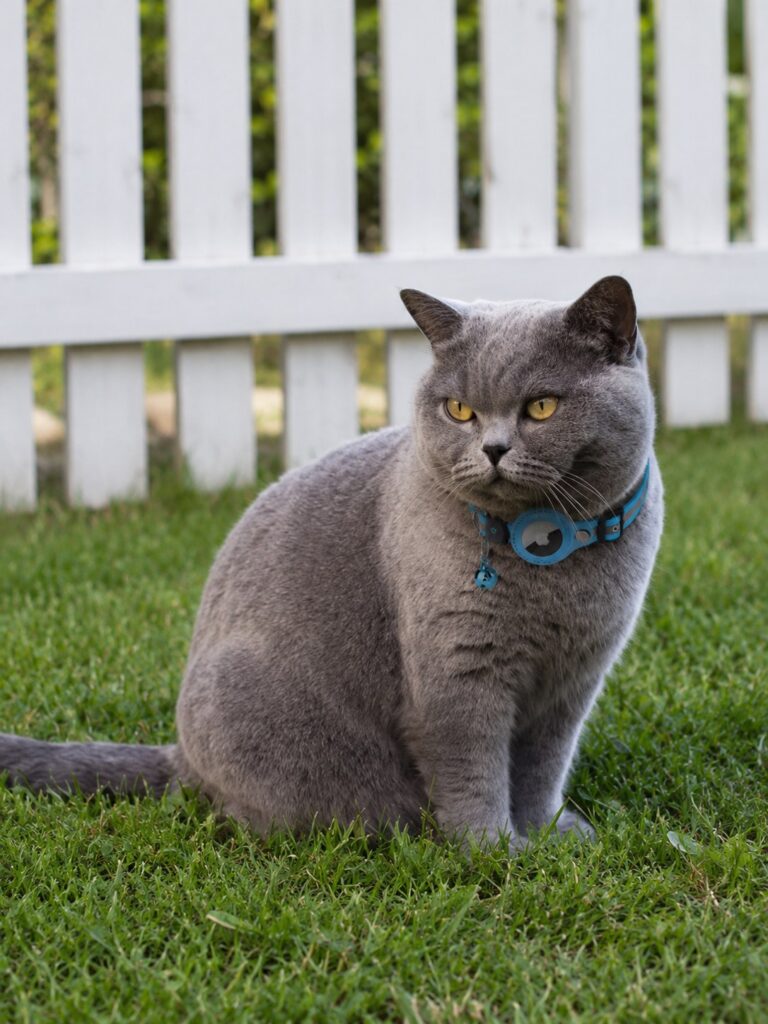
Rural New Jersey changed the math
Then Miso started getting comfortable. That sounds cute until you are the person watching a formerly cautious apartment cat realize the yard has corners you cannot see from the kitchen window.
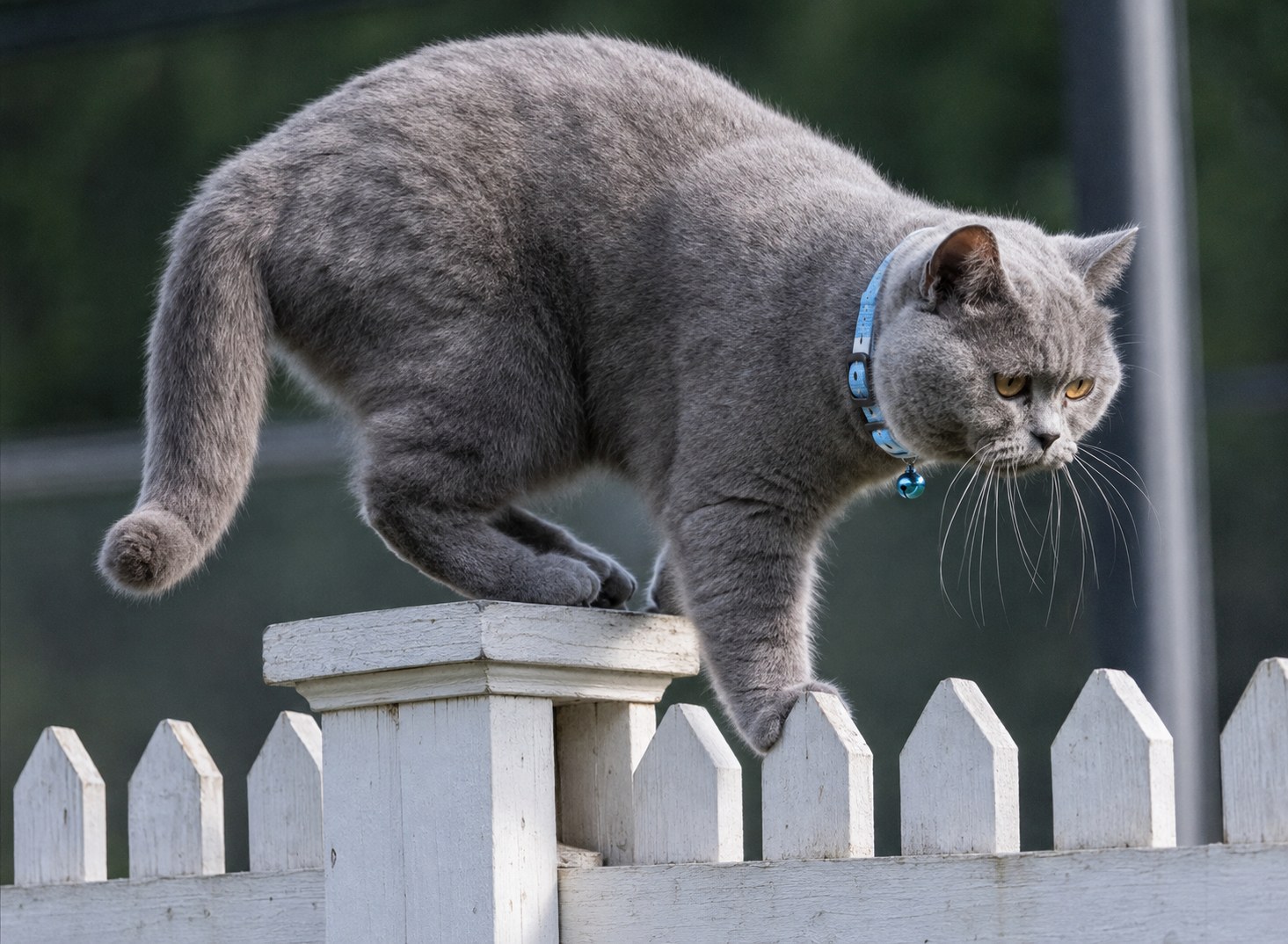
Each week, Miso got braver. She crossed more of the yard. She lingered behind the shed. She slipped along the fence line. She discovered that shrubs are not just landscaping, but private offices. Nina would watch from her spot lounging on the patio furniture and feel proud for about thirty seconds, then start doing the owner math every pet person knows: how far is too far, how fast can a small animal vanish, and why does the thing I bought to reduce anxiety now have its own anxiety flavor?
Outside, the limitations showed up. An AirTag is a bluetooth pet tracker-style tag, not a live GPS cat tracker. It depends on proximity and the Find My network, which can be amazing in the right setting and less comforting when your cat is over the fence, behind obstacles, or in a quiet pocket where there are not enough nearby devices to keep the location feeling current.
If you are trying to sort out what counts as GPS and what does not, Barkytech’s Complete Guide to GPS Pet Trackers is the broader place to start. Nina got the lesson in a much less academic way: the large hilly yard and distance to her neighbors meant the old setup was no longer enough.
Thankfully, the first time Miso got “lost”, she hadn’t gone too far.
Miso had slipped past the usual shrub line through the metal fence and into the next-yard zone. Nina was on the phone chatting with a friend when suddenly, she realized she couldn’t see Miso anymore. Miso hadn’t gone in a dramatic way, she was just not where Nina expected her to be. Nina opened the app expecting the same little indoor-style certainty she had gotten used to. Instead, she got something softer. A last place. A maybe. The rocky corner that Nina had already checked. But no Miso in that location.
That was the moment the AirTag stopped feeling like a pet tracker and started feeling like what it is: a smart item tag being unfairly asked to do an outdoor cat tracker’s job.
Nina found Miso, because Miso had not actually run away. She had circled through the trees along a ravine and had gone in the opposite direction. Nina found her tucked behind the opposite neighbor’s shed, busy with whatever cats consider urgent. But the experience changed how Nina thought about the setup. The AirTag had not failed at being an AirTag. It had failed at being the thing Nina emotionally wanted it to be.
So here’s my advice to you.
I understand why people start with AirTag. It is familiar. It is relatively easy. Tile lives in that same mental drawer of small tags you attach to things you do not want to lose, and putting a Tile on a cat collar is usually the next thing people try when the AirTag stops feeling like enough. For keys, bags, and indoor cat hiding experiments, a tile cat tracker works great.
For an outdoor cat, especially one getting braver in a bigger yard, the question changes. You are no longer asking, “Can this help me find something nearby?” You are asking, “Can this keep giving me useful location information when my cat behaves like a cat?”
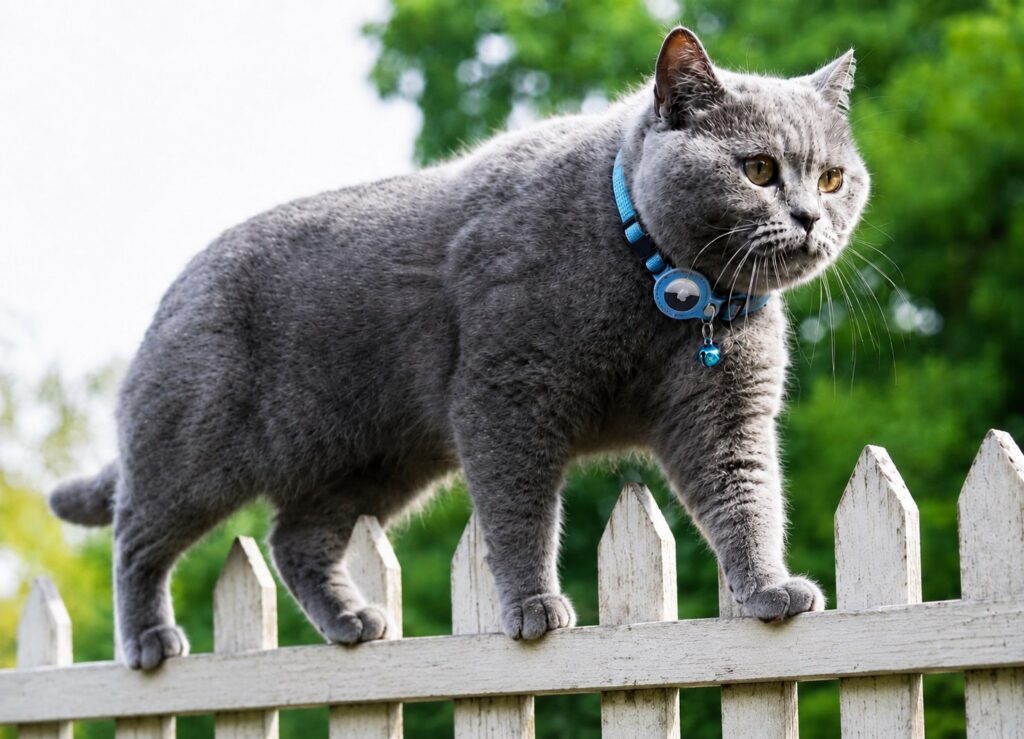
What Nina changed after that
Nina did not throw the AirTag away. She changed the job description. The tag is now attached to Miso’s cat carrier and Nina got an actual cat tracker for her newly outdoorsy cat. Nina still isn’t planning to get a cat door for Miso. She’s not going to let Miso have that much freedom. But with a proper tracker, she’ll let Miso enjoy rolling around in the backyard grass from time to time.
To see the GPS tracker options for cats, check out Best Cat GPS Trackers and Cat Tracking Collars, which shows the cat-specific alternatives like the tabcat cat tracker. If the collar itself is the part making you nervous, Cat Tracker Fit and Breakaway Collar Safety is the page I would read before building any diy cat gps tracker arrangement out of good intentions and internet confidence.
The unfair part, from Miso’s point of view, is that nobody gave her a vote. Honestly, she probably would have preferred going naked. Miso was busy becoming a wild outdoorsy cat one hedge at a time. Nina was the one who had to update her expectations. Letting a cat go outdoors is enriching and entertaining, but also scary. Even a seasoned cat owner needs a new setup when the cat gets a whole new world to explore.
That is what stuck with me when she told me the story. When you change homes, rethink the pet tech too. The AirTag was perfect for an apartment dweller. But once Miso started exploring outside, she needed a proper cat tracker.
A tag can still be useful. It can still belong on the list for certain cats and certain homes. But if the goal is outdoor location confidence, especially once a cat starts treating the yard like the beginning of a much larger kingdom, it is better to be honest about what a simple tag can do before the cat teaches you.