Choosing a pet gps tracker can be confusing when very different devices sound so similar. One device shows a moving dot in an app. Another helps you search the basement, garage, or hedge line from a few rooms away. A familiar phone tag may be good at finding keys and bags, but that does not make it a live tracker for your dog as they trot down the block.
Start with your pet and the way they spend their day. Your fence-testing big dog, your ten-pound dog with a harness wardrobe, and your cat who treats every collar as a personal insult do not need the same tracker. Choosing the best pet gps tracker for your pet means thinking about how you’ll find them, how the device attaches, and whether the technology works where they’re most likely to wander.
That might mean finding your dog after an escape, getting a safe and comfortable fit for your cat, keeping weight down for your small dog, or having enough range for your rural or outdoorsy dog.
What Is a Pet GPS Tracker?
A pet gps tracker is a wearable location device for your dog or cat. With true GPS, the tracker uses satellite positioning to estimate where it is, then sends that location to you through a phone app or another connected system. That second step matters. GPS can calculate a position, but cellular service, a handheld receiver, Bluetooth, Wi-Fi, or a crowd network decides how that position reaches you.
Most app-based pet GPS trackers rely on a subscription because they contain cellular hardware and need a service plan. Fi Series 3 Plus, Petcube GPS Tracker, Petivity Smart GPS + Activity Tracker for Dogs, FitBark GPS 2nd Gen, Tractive dog and cat trackers, Jiobit Smart Tag, Link My Pet, and Cube GPS Tracker all work that way. Some are dog-first collars, some are attachments, and some put more attention on activity data.
Other devices help find pets without being live GPS. TabCat is an RF cat locator, which uses a handheld locator and small tag for close-range finding. Apple AirTag, Tile Pro, Samsung Galaxy SmartTag2, Chipolo ONE Spot, and Eufy SmartTrack Link are tag-network alternatives. They can be useful in the right home, neighborhood, or phone ecosystem, but they are not a gps tracking device for pets in the same sense as a cellular tracker.
Microchips work differently. They identify your pet after scanning; they do not show location, update an app, or act like a dog tracking device under the skin.
Why Pet Trackers Are Useful
The value of a tracker is not that it makes escape impossible. It helps you know where to look when your pet slips out of sight. For your dog, that may mean knowing whether they’re still on your street or already across the park after slipping out the back gate. For your cat, it may mean realizing your “missing” cat is pressed behind patio furniture, under a shed, or inside the house performing an advanced silence exercise. For your small dog, it may mean getting help finding them without weighing down their collar until they hate wearing it.
The benefit changes with the tool. Live GPS helps you find your pet while they’re moving. RF helps when your pet is nearby but hidden. Bluetooth and UWB tags depend on your phone or nearby compatible devices. A microchip provides backup identification if someone finds your pet first.
Dogs and cats deserve separate shopping lists from the start. If you need a gps dog collar, head to Best GPS Dog Collar and GPS Dog Trackers. If you are balancing your cat’s size, collar preferences, and tracking method, Best Cat GPS Trackers and Cat Tracking Collars can help you choose something that suits your cat, because a smaller dog tracker is not automatically cat gear.
How Pet Tracking Technology Works
GPS and app-based recovery
In a live tracker, GPS is only half the story. The device estimates location, then needs a way to send that location to an app or receiver. Cellular pet trackers usually provide the most familiar app experience: safe-zone alerts, map updates, location history, and a higher-frequency lost-pet mode.
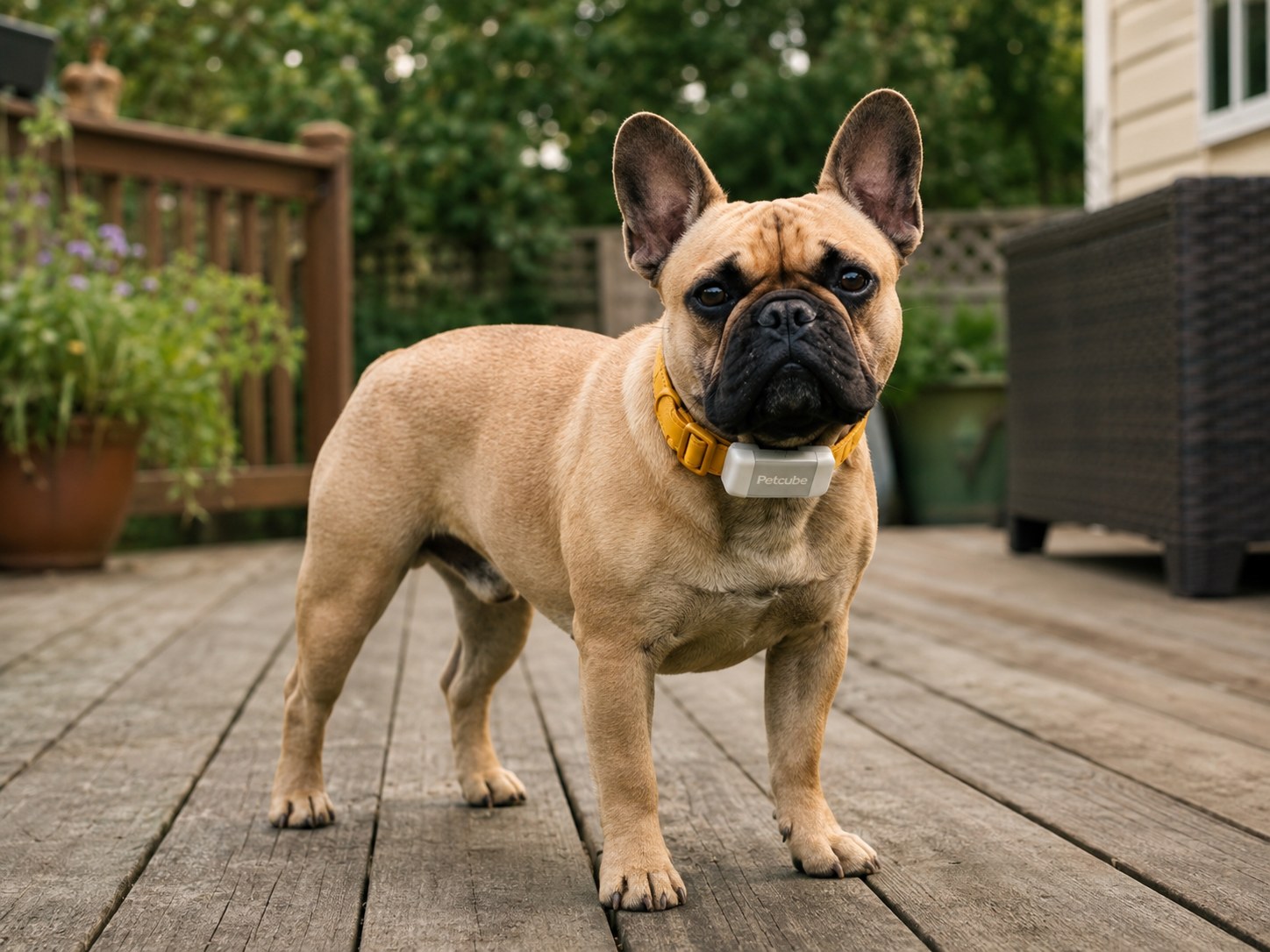
Fi Series 3 Plus builds GPS tracking, the Fi app, and health or activity data into a dog collar. Fi Mini for Cats is a separate cat product, rather than a smaller version of the same collar. FitBark GPS 2nd Gen is a lightweight dog-and-cat GPS attachment. Petcube and Petivity are app-based dog trackers, with Petcube adding light/sound help and Petivity pairing dog GPS with activity tracking.
Tractive and Jiobit show how different these products can be. Tractive has separate dog and cat trackers, while Jiobit is an app-based smart tag with GPS and cellular elements. Even if the apps look similar, the trackers can suit your pet differently.
RF locators
RF locators help you search closer to home. Instead of asking a collar to send live location across a cellular network, a product such as TabCat gives you a handheld locator that guides you toward a nearby tag. That can be a better match if your cat hides close to home, gets into closets, ducks under porches, or makes every search feel like a house-wide negotiation.
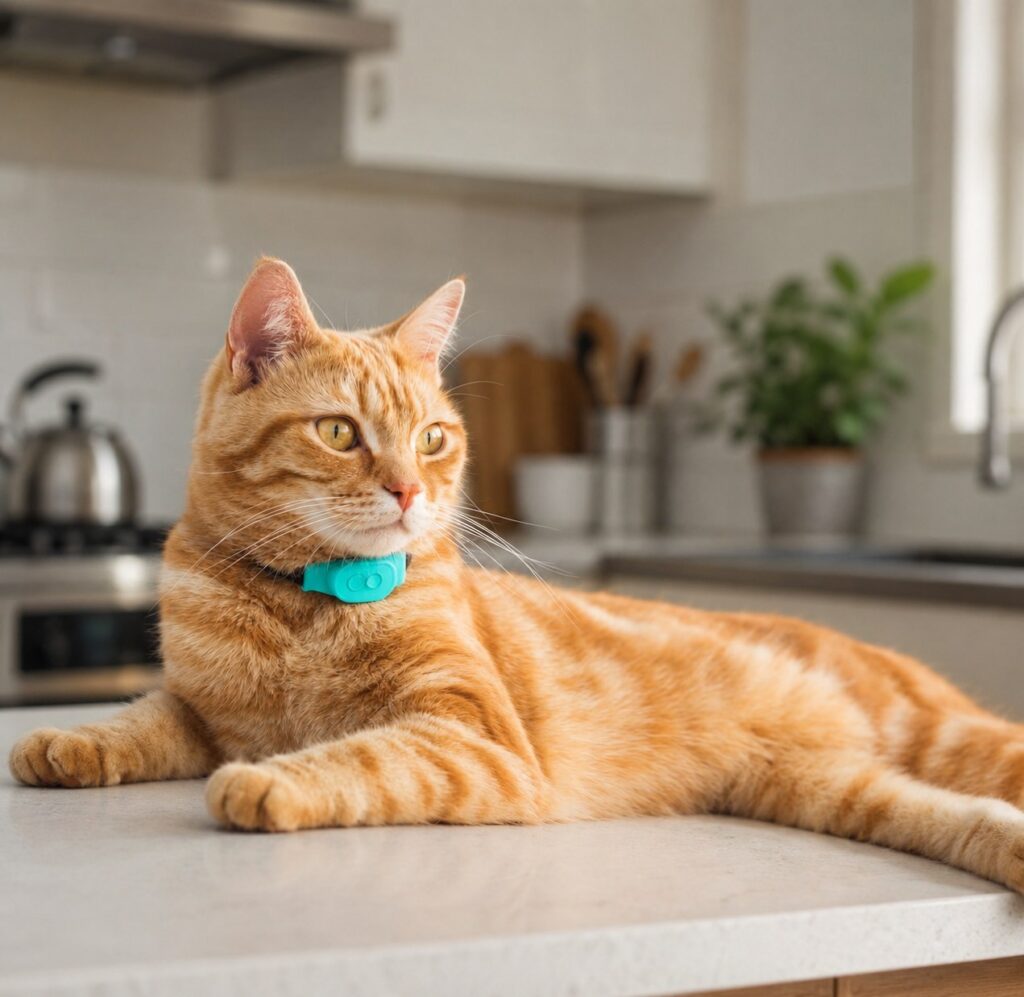
RF can be no-subscription, precise at close range, and better indoors than map-based GPS. It is not designed to follow your pet across town on a phone map. If your pet may travel far, RF and GPS are different tools, not cheap and expensive versions of the same thing.
Bluetooth, UWB, and crowd-network tags
Small tags can be especially confusing. An air tag for dogs, airtag for dog tracker accessory, tile pet tracker setup, dog tracker tag, or gps dog tag may look small and affordable. The underlying technology is usually Bluetooth, UWB, or a compatible device network, not independent live GPS.
Apple AirTag uses Apple’s Find My network and UWB. Tile Pro uses Bluetooth and the Tile ecosystem. Samsung Galaxy SmartTag2 works through SmartThings Find. Chipolo ONE Spot works with Apple’s Find My network. Eufy SmartTrack Link is another tag alternative. These can help in dense neighborhoods and indoor searches, but they are less useful if your dog might run beyond the reach of nearby phones.
Microchips
A microchip is not a pet gps tracker. It is a tiny RFID identification implant with a number that can point a scanner to registry information. The chip has no battery, does not broadcast your pet’s location, and cannot tell your phone where your pet is.
That does not make microchips optional. They provide backup identification that stays with your pet when a collar comes off, a battery dies, or a tracker is sitting on the charger. Can You Track a Microchipped Cat or Dog? Chip vs GPS Reality explains how a tracker and a registered microchip each help bring your pet home.
Types of Pet Tracking Devices
Dog GPS collars and dog trackers
Dog trackers are built to be sturdy, keep up with your dog, and help you find them quickly. If your dog gets loose, they may cross streets, run toward water, disappear behind houses, or move faster than you expect. A gps dog tracker or gps dog collar gives you a direction to head instead of leaving you guessing which way they went.
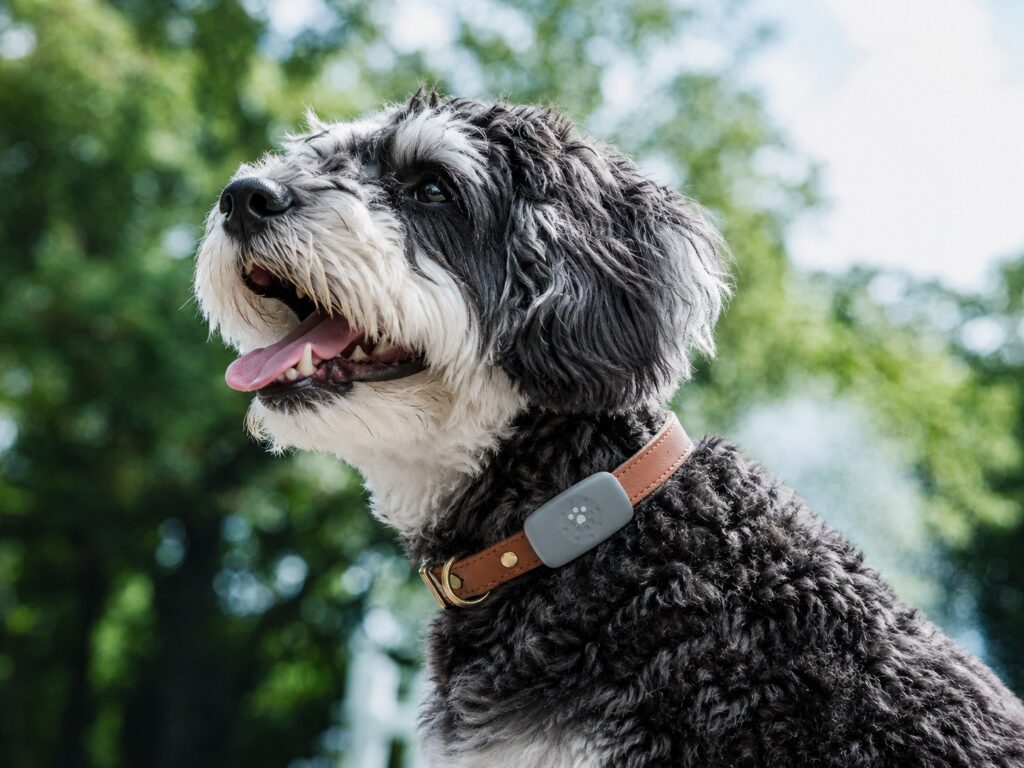
Fi Series 3 Plus is the integrated smart-collar option, especially if you already like Fi’s app, Lost Mode, and dog health features. The petivity gps tracker is the everyday GPS-plus-activity module. Petcube, FitBark, Link My Pet, Tractive, Jiobit, and Cube Tracker give you different mixes of attachment style, app features, and activity data.
Cat GPS trackers and RF cat locators
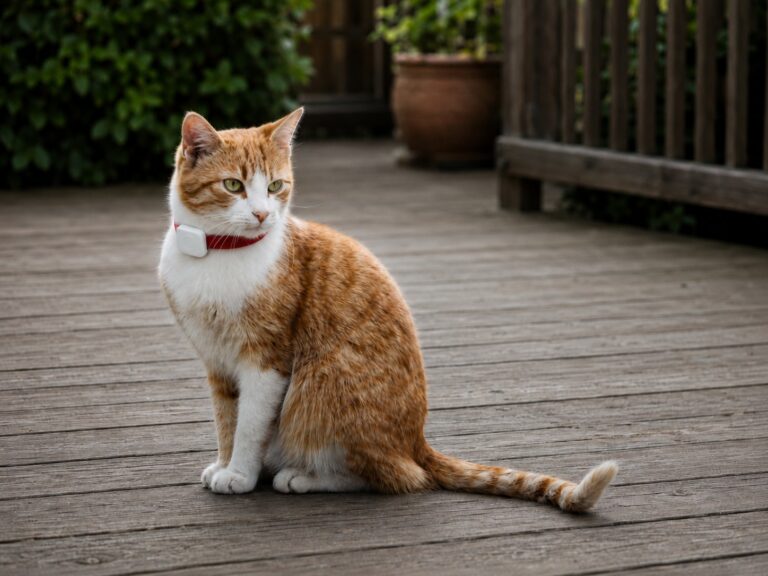
Cat tracking starts with permission from your cat, who gets the final say on anything attached to their collar. A cat gps tracker can have great features and still be a poor fit for your cat if it is heavy, bulky, poorly balanced, or awkward on a breakaway collar.
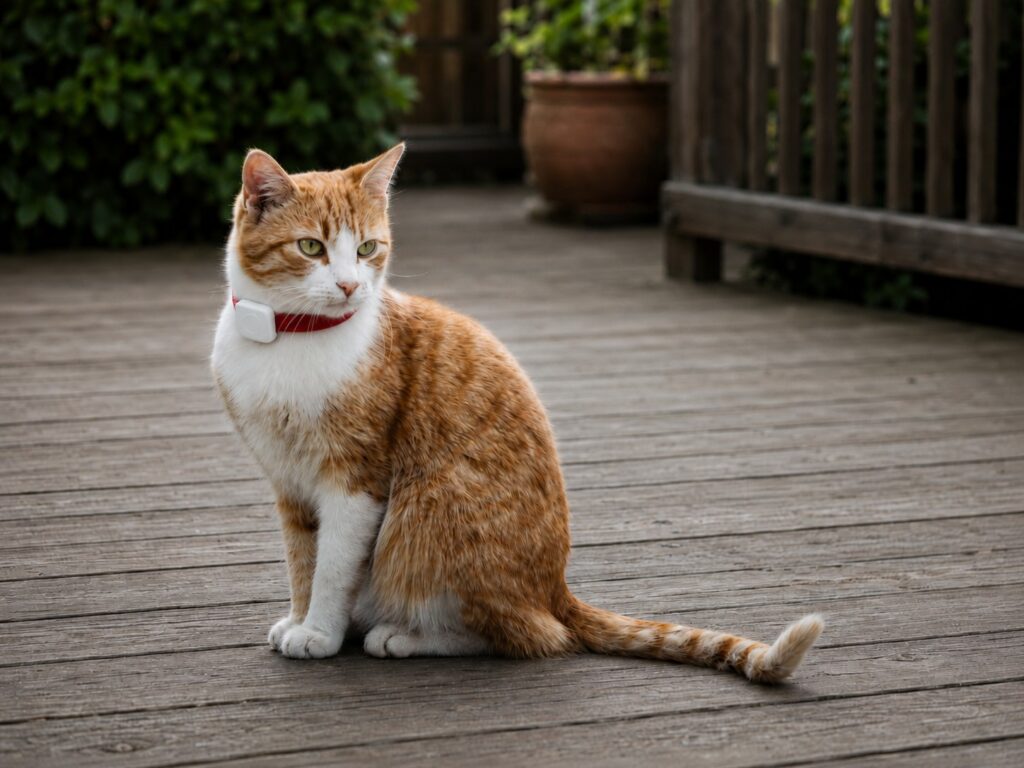
Fi Mini for Cats, FitBark GPS 2nd Gen, Tractive Cat, and Petcube offer GPS and app features, though each still needs a real fit check. TabCat belongs beside them as the RF option for close-range locating without a live GPS plan. PurrSong LavvieTAG and tag-network products such as AirTag, Tile, Samsung SmartTag, Chipolo, and Eufy SmartTrack can also help, as long as you are clear about what they do and do not provide.
Before comparing features, check how the tracker sits on your cat’s collar. Cat Tracker Fit and Breakaway Collar Safety goes deeper on small cats, outdoor cats, and cats who have strong opinions about anything hanging under the chin.
Small dog trackers
Small dogs are not cats with barking privileges. Your small dog may need tracking if they escape, app sharing, safe-zone alerts, and a durable attachment, but the tracker still has to suit their smaller neck and lighter harness. Your little dog can make a collar look enormous by sheer attitude. Best GPS Tracker for Small Dogs covers those needs separately from full-size dog collars and cat collar safety.
Outdoorsy and rural dog systems
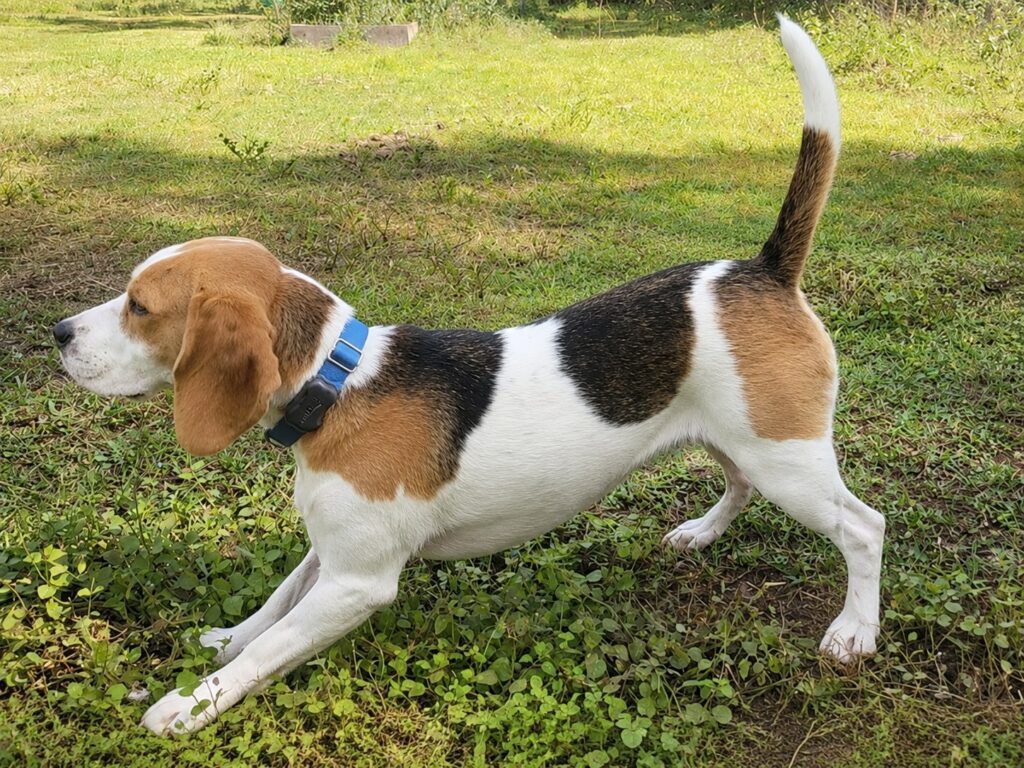
Large yards, wooded property, lake weekends, farm routines, and off-leash trail time ask more of your dog’s tracker. Cellular app collars may work well where coverage is strong, but terrain, distance, water, battery drain, and map visibility start to matter more. Garmin makes sense here: Alpha LTE, Alpha TT 25, and related Garmin dog-tracking systems are designed for keeping track of your dog on outdoor adventures, with different demands than casual neighborhood tags. Dog GPS Trackers for Outdoorsy Dogs: Range, Maps, and Waterproofing is the better place to sort out long range, waterproofing, maps, cellular versus VHF expectations, and training-feature boundaries.
What to Consider When Choosing a Pet GPS Tracker
Start with species and fit
For your dog, you can usually begin with collar size, durability, waterproofing, battery life, and how the app works. For your cat, think about weight, balance, breakaway compatibility, and whether the tracker hangs comfortably. Your small dog needs tracking features in a device that does not feel borrowed from a much bigger dog. The best pet gps tracker is the one your pet is actually wearing when the door opens.
Match technology to the missing-pet pattern
Live GPS is strongest when your pet may keep moving. RF is strongest when your pet is nearby but hidden. Bluetooth and UWB tags help when phones or compatible devices are close enough to pick up the signal. Microchips help after someone finds your pet and scans their chip. If your dog lives in the country and has a pond to splash in, you’ll have different priorities than if you share an apartment and mainly want a dog tracking device for iphone sharing with your family.
Be honest about subscriptions
Most live GPS tracking depends on cellular service, and cellular service usually means a subscription. No-fee options avoid that monthly cost by changing what the search looks like. TabCat uses RF and a handheld locator. AirTag, Tile, SmartTag, Chipolo, and Eufy SmartTrack depend on proximity or network discovery instead of a GPS plan. Those can be smart choices as long as their limits fit your pet.
Check battery habits before features
Battery life changes with update frequency, signal conditions, live tracking modes, lights, sounds, and safe-zone behavior. A tracker may last a long time during normal routines and drain quickly during a search. Think about your daily routine: who charges it, when, and what happens if that person forgets?
Common Concerns
Do GPS pet trackers work everywhere?
No. GPS, LTE, Bluetooth, UWB, RF, Wi-Fi, and crowd networks all have weak spots. Buildings, tree cover, terrain, battery level, app permissions, carrier coverage, and nearby phones can change what you see. The practical test is whether the tracker gives you better information than calling from the sidewalk and hoping the rustle of the treat bag brings your pet running.
Are AirTags useful for pets?
AirTag can be useful as a tag-network alternative, especially if you use an iPhone and are looking for something nearby. It is not a pet gps tracker. It depends on proximity and the Find My network to update location. For your dog, an apple airtag dog tracker setup is usually a backup tag, not something to rely on if they take off running. For your cat, breakaway collar safety and holder size matter too.
Should every pet have a microchip too?
Yes, for identification. A collar can break away, slip off, run out of charge, or be removed. A microchip stays with your pet and can help a vet, shelter, or animal control team find their registration information. The mistake is expecting the chip to do live tracking.
Which Type Is Right for You?
If your dog escapes outdoors and you need help finding them, start with a dog GPS tracker. Fi Series 3 Plus, Petcube, Petivity, FitBark, Link My Pet, Tractive, Jiobit, and Cube Tracker all offer different ways to help you find your dog. Your best match comes down to fit, coverage, what you’re comfortable paying for a subscription, and whether you want the tracker built into the collar or clipped on.
If your cat roams or hides, start with how the tracker fits and where you tend to find your cat. Fi Mini for Cats and FitBark GPS 2nd Gen are current GPS options to consider; Tractive Cat and Petcube give you two more GPS choices; TabCat may be better for close-range locating; PurrSong LavvieTAG and tag-network devices have limits to keep in mind.
If your small dog needs tracking, look at weight, collar position, charging routine, and whether the device stays stable during walks, car rides, and the tiny dramatic shake that somehow moves every accessory three inches. If your dog roams rural acreage, explores wooded property, loves the water, or spends time off-leash outdoors, Garmin and similar outdoor systems deserve a closer look because maps, range, waterproofing, and training-feature boundaries matter more.
Cost Considerations
The purchase price is only the first cost. A live pet gps tracker often needs an active plan because the device sends location through cellular service. No-subscription or lower-fee options usually trade away live updates, long-distance independence, map history, or coverage away from compatible devices. Think about what you’re paying to help bring your pet home: a subscription may be reasonable if you’re worried your pet may keep slipping out, while a no-fee tag or RF locator may be enough if your cat stays indoors, your pet stays supervised in the yard, or you mostly need to find a collar misplaced at home.
FAQ
What is the difference between a pet GPS tracker and a Bluetooth pet tracker?
A pet gps tracker uses satellite positioning and usually cellular service to send location to an app. A bluetooth pet tracker works at shorter range or through compatible nearby devices. It can help with nearby finding, but it is not a cellular GPS tracker built for active recovery.
Can I use an AirTag for my dog?
You can attach an AirTag to your dog’s collar with a secure holder, but an airtag for dog tracker setup is a tag-network workaround, not live GPS. It is most useful near your phone or enough Apple devices to update through Find My. If your dog takes off running, treat it as a backup.
What is the best pet GPS tracker for both dogs and cats?
Usually, it helps to choose for your dog and cat separately. FitBark GPS 2nd Gen is a current lightweight dog-and-cat GPS option, and Fi makes separate products for dogs and cats: Fi Series 3 Plus and Fi Mini for Cats. The best pet gps tracker for your large dog who leaves the yard is not automatically right for your cat who needs a breakaway collar.
Do pet GPS trackers need subscriptions?
Most live GPS trackers need subscriptions because they use cellular networks to send location data. RF locators and tag-network devices may avoid monthly plans, but they do so by changing how the search works. Avoiding the fee helps only if the replacement technology fits where your pet tends to go when they slip out.
Can a microchip track my pet?
No. A microchip identifies your pet after someone scans it. It does not have a power source, GPS service, map view, or phone alert. Keep it registered and current, but use a tracker if you need to follow your pet’s location as they move.
Final Summary
There is no single best pet gps tracker for every dog and cat—pets have never been that cooperative. Live GPS helps you find your pet as they move. RF is for close-range finding. Bluetooth, UWB, and crowd-network tags are useful in the right environment but should not be confused with independent GPS. Microchips identify pets after recovery. Start with your pet’s habits and where they might wander. Then think about collar fit, range, waterproofing, and how charging will fit into your day.