If you are trying to track a microchipped cat from your phone, the answer is no. That is not a technicality. A microchip is not a live map, not a gps chip for cats, and not a tiny broadcast device under the skin. It is identification that helps after someone finds the pet and scans the chip.
That answer can feel brutal when the cat missed dinner or the dog slipped out before you had shoes on. It also does not make microchipping less important. A microchip and a tracker handle different stages of a lost-pet problem. The chip helps a shelter, vet, rescue, or animal control officer identify the pet after recovery. A wearable GPS or RF tracker can help you search before someone else finds the animal.
What a microchip actually stores
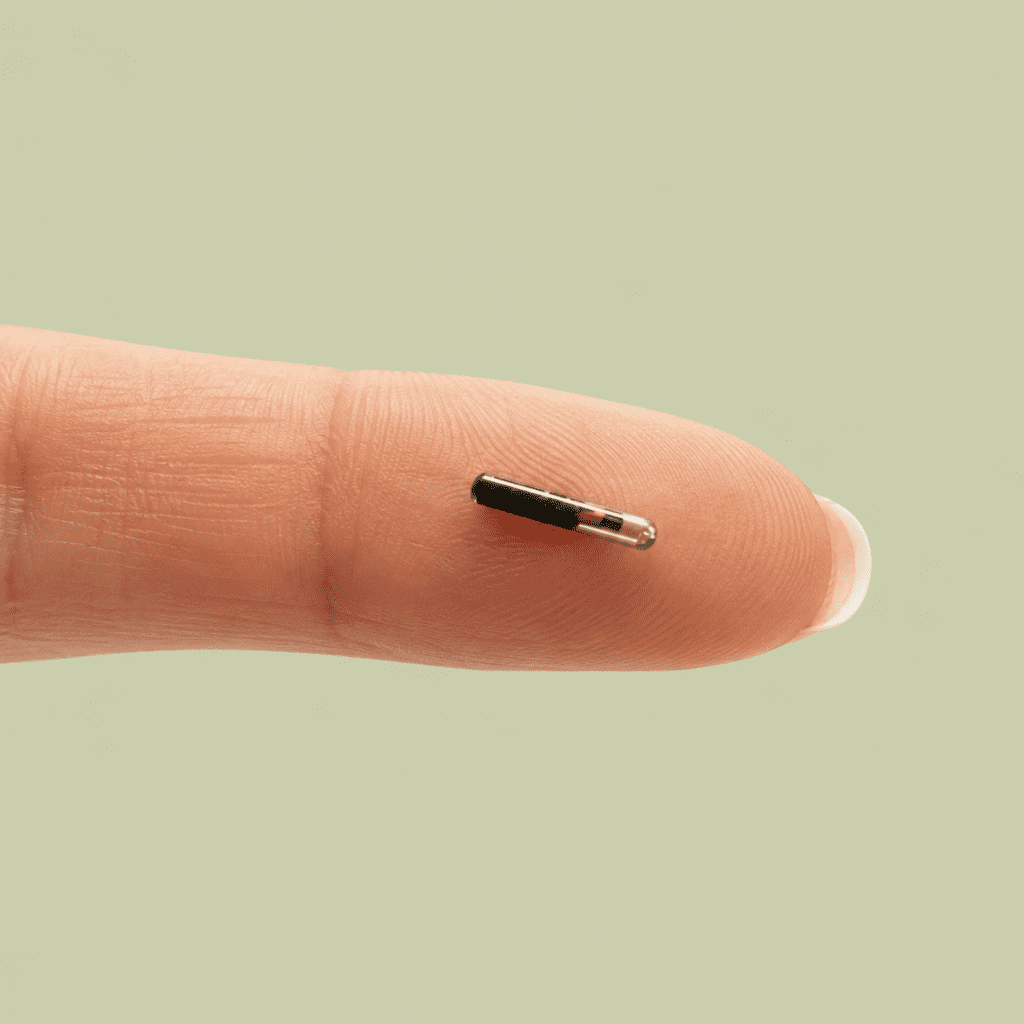
AAHA’s microchip FAQ explains the core idea clearly: a pet microchip stores an identification number, not GPS location or owner details inside the pet. A scanner reads that number. The number points to registry information if the chip has been registered and the contact record is current.
That is why searches like tracking a chipped cat, chip cat tracker, cat chip with gps, track my dog chip, dog gps tracker chip, and dog tracking chip under skin all run into the same wall. The chip is not powered like a tracker. It does not wake up and tell your phone where the pet is. It waits to be scanned.
Curious what actually happens when someone scans your pet? Complete Guide to Pet Microchip Scanners explains what reads a chip, when owning a scanner makes sense, and why a scanner still identifies a pet rather than locating one.
Why the chip cannot be live GPS
Live GPS needs power, an antenna, location processing, and some way to communicate back to a service or device. A microchip is passive RFID identification. It can be read by a scanner at close range, but it is not sending location from the animal.
That limitation is also part of the chip’s strength. It does not need charging. It does not fall off a collar. It does not get left on the kitchen counter. It stays with the pet when collars, tags, and trackers fail. The weakness is timing: a chip helps after contact, not during the search.
What Fi, FitBark, and TabCat add
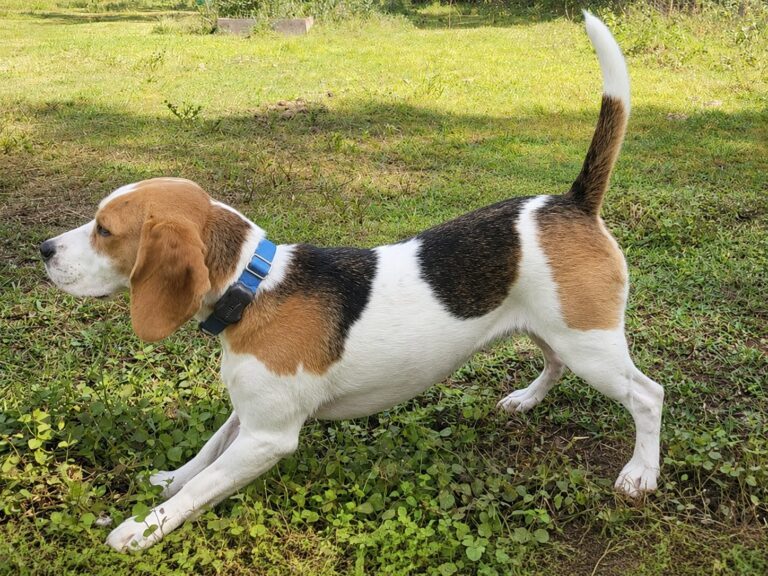
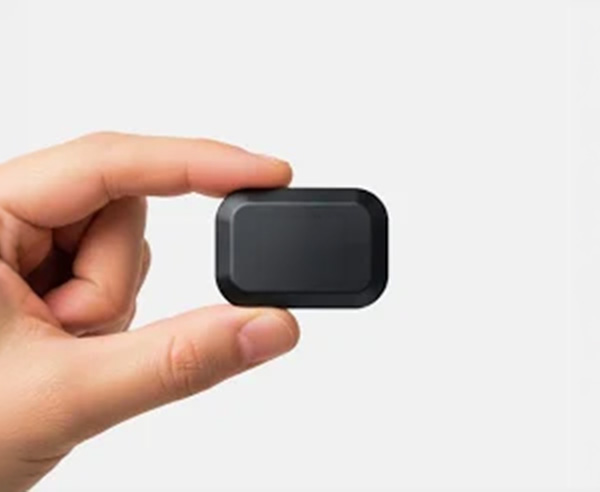
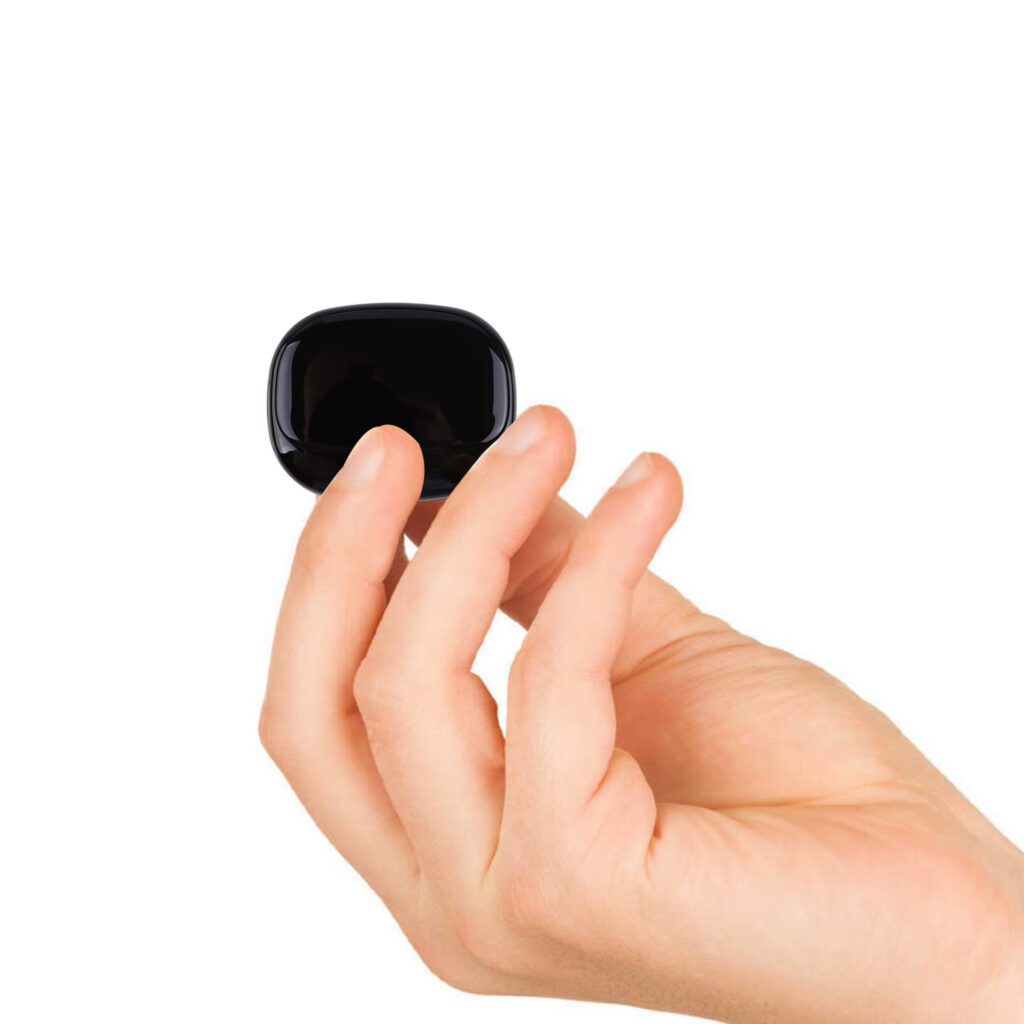
If you need live search help, you need a wearable tool. Fi and FitBark are current live-GPS examples. They can support a moving search because the pet wears powered hardware tied to an app and service plan. For dogs, Fi builds the tracker into an everyday smart collar. FitBark GPS 2nd Gen is the lighter option for small dogs and cats, where a few extra grams can turn into a lot of extra attitude.
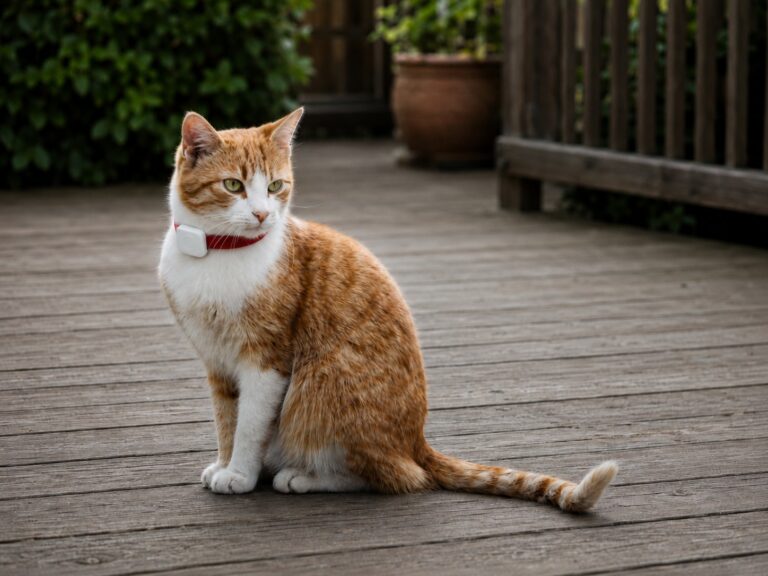
TabCat solves a different problem. It is RF, not GPS. It does not show a live map, but it can help you search nearby with a handset. That makes sense for cats who are likely under a porch, in a garage, behind shrubs, or occupying the mysterious indoor location that exists only when you are late for work.
For the bigger tracker picture, start with the Complete Guide to GPS Pet Trackers. Dog owners comparing wearables can head to Best GPS Dog Collar and GPS Dog Trackers, while cat owners will get a much more useful fit check from Best Cat GPS Trackers and Cat Tracking Collars.
Why you should still microchip your pet
A tracker can be brilliant and still fail. Batteries die. Subscriptions lapse. Collars break away. A cat can leave the tracker in a hedge and continue the evening’s business without remorse. A dog can slip a collar at exactly the wrong moment.
The microchip is the backup layer for that failure. AAHA recommends keeping microchip registration and contact information current because the chip’s value depends on the record it points to. A chip with an old phone number is not useless, but it makes the reunification process harder than it needs to be.
What to check before a pet gets lost
Do the boring recovery work on a gloriously uneventful day. Find the chip number, look it up, and make sure the registry has your current phone, email, address, and alternate contact. If you moved, adopted the pet, changed numbers, or took over care from a family member, do not assume the record magically followed you.
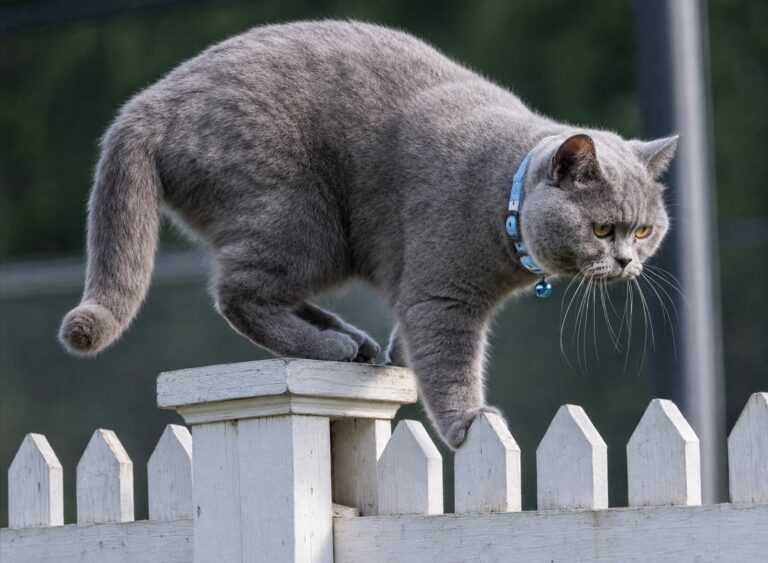
Then test the wearable layer. Charge the tracker. Open the app. Make sure alerts go to the phones that would actually be used in an emergency. If the tracker is on a cat, check the collar and breakaway behavior first; Cat Tracker Fit and Breakaway Collar Safety covers that fit problem in detail.
The best recovery stack
The best lost-pet setup has backups, because pets have a gift for testing the one thing you forgot:
- Microchip for permanent identification after scanning.
- Collar ID when the pet can safely wear one.
- GPS or RF tracker when the pet’s escape risk justifies wearable hardware.
- Updated contact information and a household plan before the door is open.
For a dog who runs, Fi or FitBark may help during the search. For a cat who hides nearby, TabCat may be the better search tool. For either species, the chip remains the identification layer if the tracker is gone, dead, or never worn that day.
The practical answer
You cannot track a microchipped cat or dog live through the chip. You can use the chip to help identify the pet after scanning. That distinction is the whole difference between identification and location.
So microchip your pet, keep the registration updated, and add a tracker only when the pet’s real escape pattern calls for one. The tracker helps you look. The chip helps someone else get your pet home if they find them first and take them to be scanned.