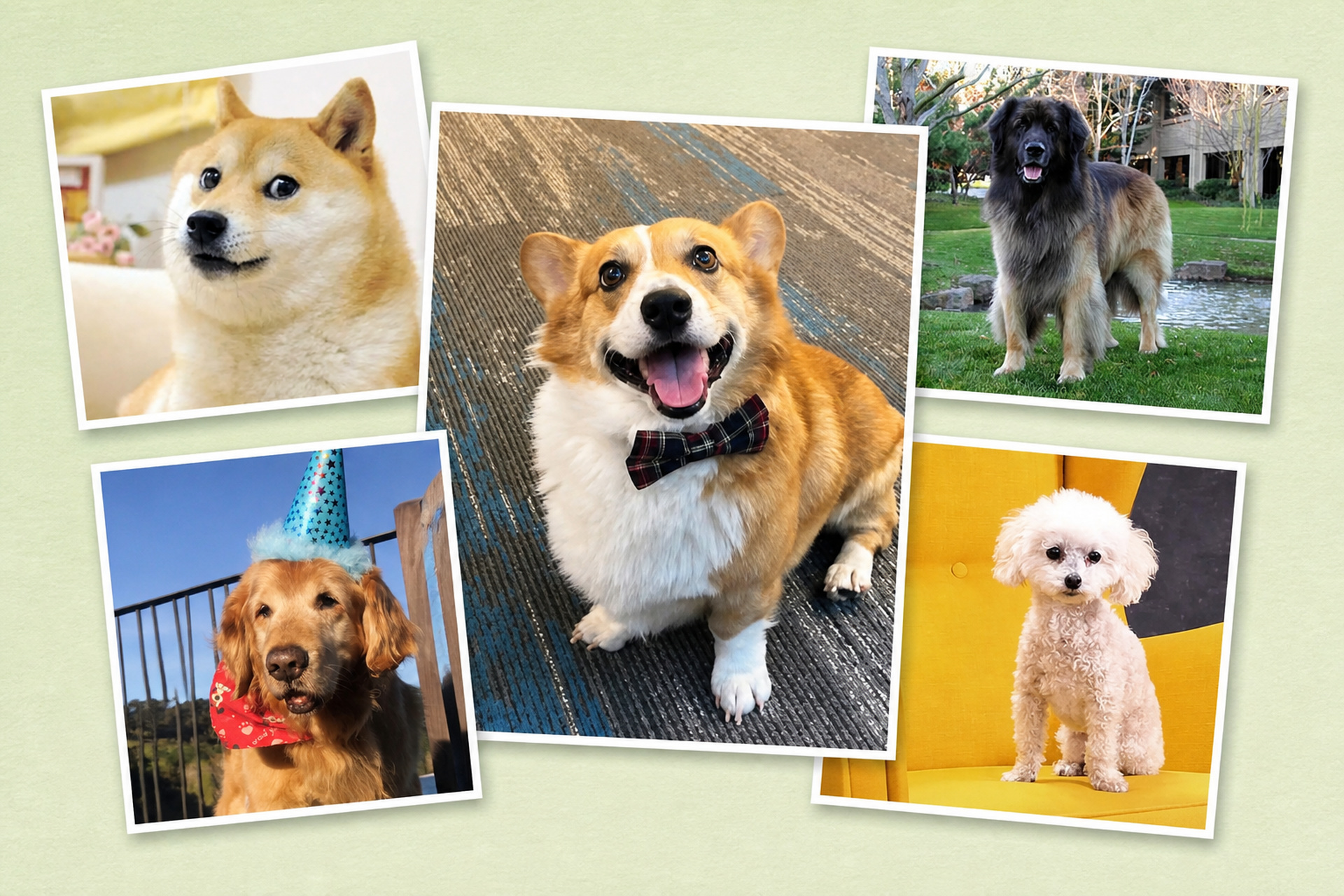
The dogs of tech are not all the same kind of story. Some dogs changed office policy. Some gave a company its name. Some became memes, mascots, family celebrities, work companions, or public proof that a very serious executive still lived in a house where somebody was probably saying, “Please do not eat that.”
That is why this should not be a boys-club list of founders and their dogs. Those stories exist, and a few of them are excellent. But the better version of tech-dog lore includes editors, engineers, spouses, teachers, women executives, pet-tech founders, and dogs whose main contribution was not strategy but memorability.
So this is not a ranking of rich people’s pets. Some of the best tech company dogs never belonged to anyone famous at all. It is a pack walk through the dogs of tech who wandered into the industry’s culture and stayed there.
Rufus, the Amazon corgi with actual paperwork
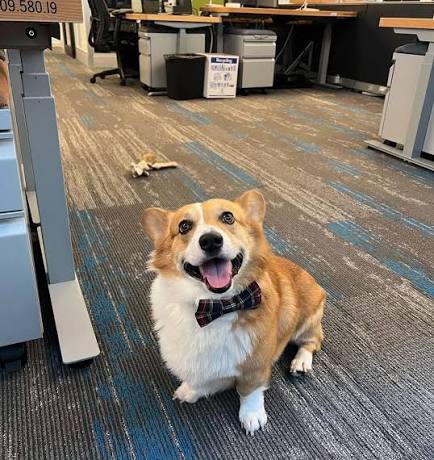
Rufus is the gold standard because his story is not just cute. It has office policy, lease drama, launch rituals, and a corgi who somehow became more structurally important than most conference rooms.
The most important detail is that Rufus was not Jeff Bezos’s dog. According to Amazon’s own history of Rufus, he belonged to Susan and Eric Benson. Susan was Amazon’s first managing editor, and Eric was one of the company’s first software engineers. Rufus came to work with them in 1996, when Amazon was still small enough that one good corgi could become a cultural precedent.
When the Bensons asked whether Rufus could come to work, Bezos wanted to know whether he was a good dog. He was. Rufus became Amazon’s first canine staffer, a meeting regular, and eventually the official switch-thrower for website launches. Staff would lower his paw onto a keyboard to send new features live, which is either absurd or perfect, depending on how much faith you have in product launch rituals.
When Amazon moved into more formal office space, Rufus was written into the workplace arrangement so he could stay. Later, when other employees wanted dogs too, a finance executive ended the argument with one email: from now on, all dogs are named Rufus. That is how a corgi becomes culture.
Amazon later named its AI shopping assistant Rufus, before folding it into Alexa for Shopping in May 2026. So Rufus belongs here not because a billionaire owned him, but because an editor, an engineer, and their dog helped define the texture of a workplace.
Zinga, the dog who named Zynga
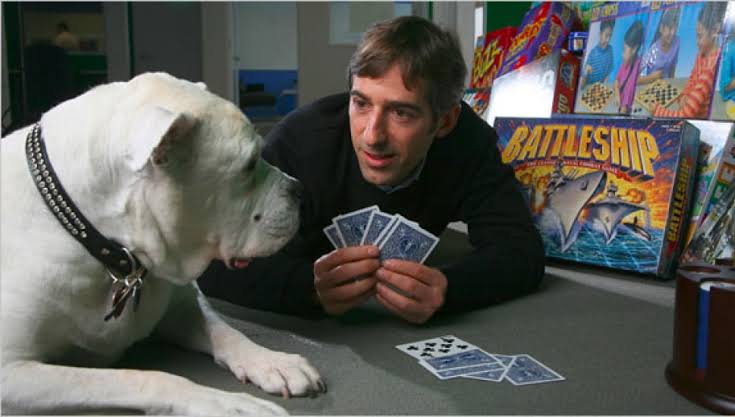
Some company names sound like they were invented by locking a branding team in a room with cold brew and no vowels. Zynga has a better origin story.
Zynga says on its own history page that the company was named after Mark Pincus’s dog Zinga, and that Zinga was shortened from Enzinga, which the company glosses as Swahili for warrior princess. Whatever the etymology, it is doing more work than most startup names.
This is one of the cleanest dog-to-tech stories because it does not need decoration. There was a dog. The dog had a name. The company took it.
For a social-gaming company built around play, that origin fits. Zinga did not need to code, pitch investors, or explain monetization. She gave the company a sound.
Yoshka, Google’s original Top Dog
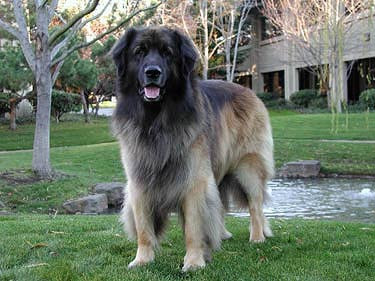
Google’s dog culture did not begin with a CEO puppy. It began with Yoshka, a Leonberger who belonged to Urs Hölzle and his wife, Geeske.
Google’s own account of its Doogler culture says Yoshka was the first dog to visit Google’s campus. Urs started bringing him in during 1999, his first year, because Geeske was away in Europe and, as he put it, “DSL was barely working, and I couldn’t leave Yoshka at home.” Working from home was not yet a thing you could do. Bringing an enormous dog to the office apparently was.
Yoshka died in 2011. That December, the NoName Cafe in Building 43 was renamed Yoshka’s Cafe, with a small museum holding his collar, his favorite fluffy ball, and his Google badge. A plaque credits him with helping Google become a dog-friendly company.
That is the kind of office-culture story that explains more than a recruiting video. Companies can write all the values statements they want. A giant friendly dog wandering campus tells people what is actually allowed.
Kabosu, the Shiba Inu who belonged to the internet
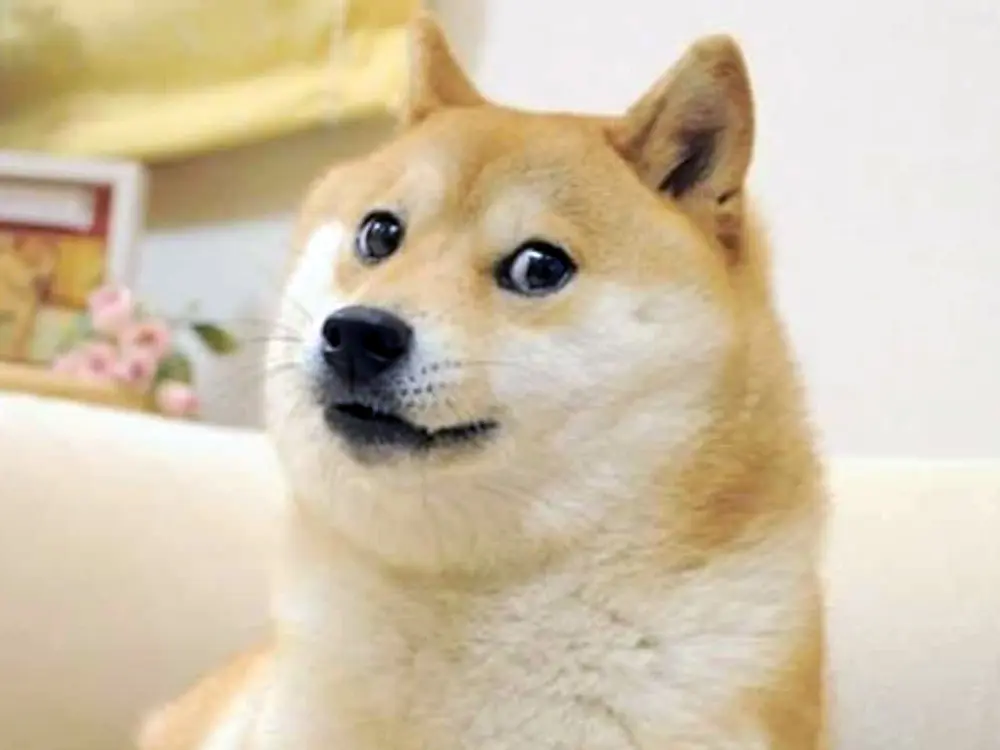
Kabosu is essential because she breaks the Silicon Valley frame completely.
She did not belong to a founder, investor, or CEO. She belonged to Atsuko Sato, a kindergarten teacher in Japan. The Dogecoin Foundation’s obituary for Kabosu records that Sato rescued her from a puppy mill and named her after a Japanese citrus fruit. One rescued dog, one perfect sideways look, and that was enough.
Her expression became internet language in 2013. Dogecoin launched that December. A photo became a joke, then a symbol, then a coin, then a community, and eventually a bronze memorial unveiled in her favorite park on her seventeenth birthday. Kabosu died on May 24, 2024, at 18.
That is not a normal career path, but it is a very internet one. Most tech lore is obsessed with founders. Kabosu is a reminder that the industry’s most durable symbol came from a kindergarten teacher in Sakura.
Tylee, the poodle who helped point Chewy toward pets
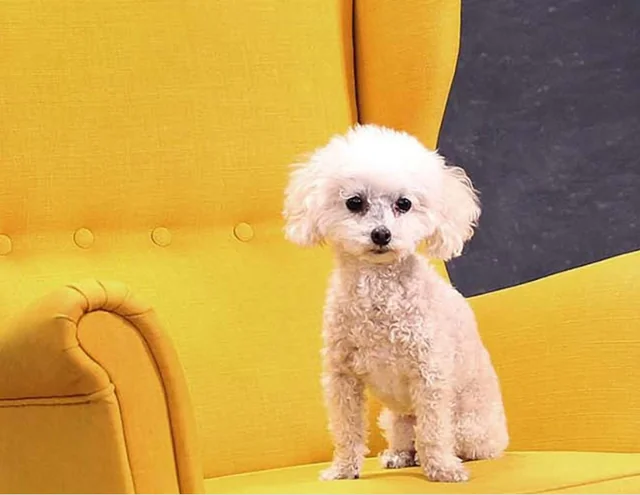
Tylee earns her place because she sits right at the intersection of pet parenthood and founder instinct.
Ryan Cohen’s Harvard Business Review account of Chewy’s origin puts Tylee in the moment before the pivot. Cohen was close to launching an online jewelry business when a pet-store visit with his poodle made the pet category feel more personal and more worth building around.
He had a poodle named Tylee, trusted the local pet-store owner, realized he cared more about pet retail than jewelry, sold the jewelry inventory, and started Chewy.
This is not mascot lore. This is founder-market fit with paws. Sometimes the business idea is not hiding in a pitch deck. Sometimes it is standing next to you in a pet store.
The hungry Labrador who started the gig economy
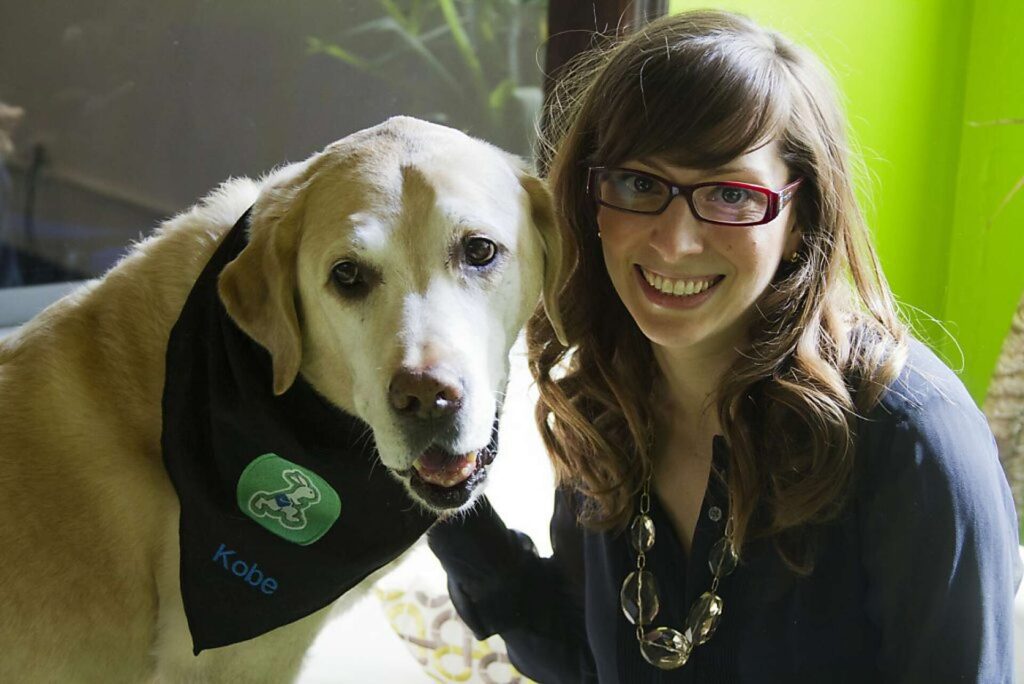
The best dog-to-tech origin story might be the one nobody files under dogs at all.
In early 2008, Leah Solivan and her then husband were living in Boston with a 100-pound yellow Labrador. They were getting ready to go out to dinner when they realized they were out of dog food. In her own telling in Fortune, she thought how great it would be if she could just find someone nearby to help, grabbed her phone, typed in RunMyErrand.com, found the domain available, and bought it on the spot.
RunMyErrand became TaskRabbit. TaskRabbit became one of the templates for the entire errand-and-gig economy, which now moves groceries, furniture, and flat-pack assembly around most major cities.
So the next time an app delivers something to your door within the hour, there is a reasonable case that the chain of events started with a large Labrador standing next to an empty bowl at exactly the wrong moment. Dogs have always been excellent at creating urgent problems. This is the only one that turned into a company.
Poppy, the dachshund behind a pet-tech founder story
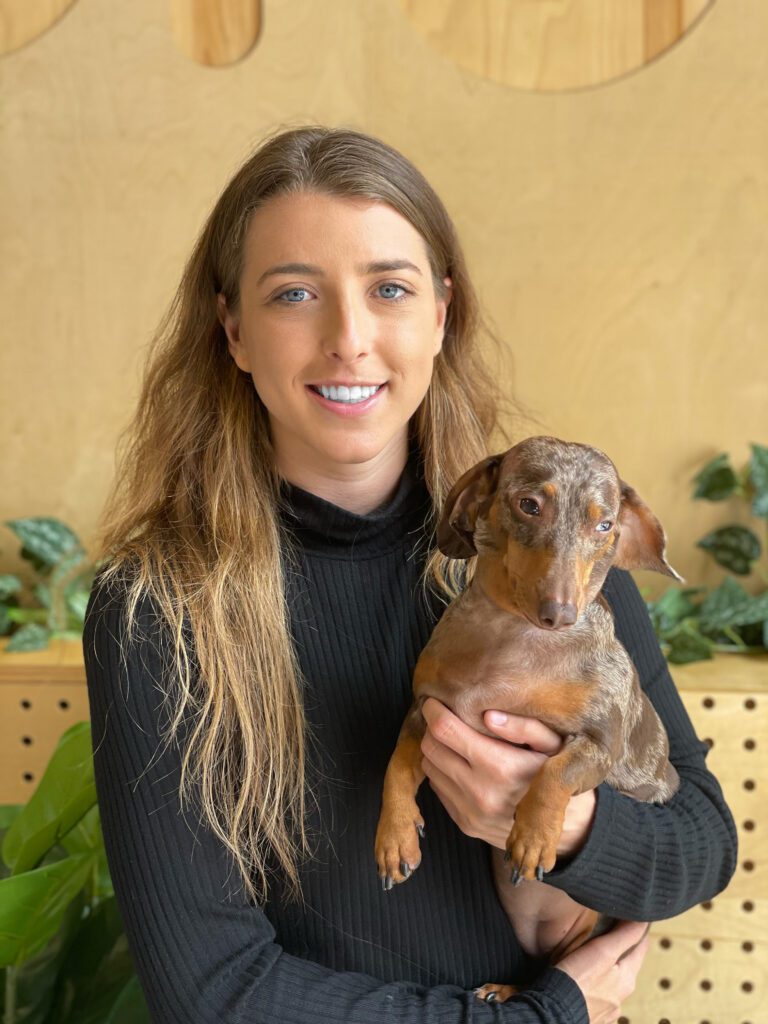
If the article is going to talk about dogs and tech, it should not skip actual pet-tech founders.
The Los Angeles Business Journal profile of Shaina Denny says Denny is the CEO and co-founder of Dogdrop, and that Poppy, her mini chocolate dapple dachshund, helped spark the company’s inception.
That matters for the shape of this piece. Poppy is not a billionaire’s prop or a mascot added after the business was already famous. She is part of a founder story about a woman building in dog care, with a modern, tech-savvy approach to how pet parents actually live.
A dog daycare company may not sound like the classic Silicon Valley myth, which is exactly the point. The industry is bigger and more interesting when the story is not always another man in a hoodie discovering that offices are nicer with dogs.
Beast, the Puli who outranked Facebook
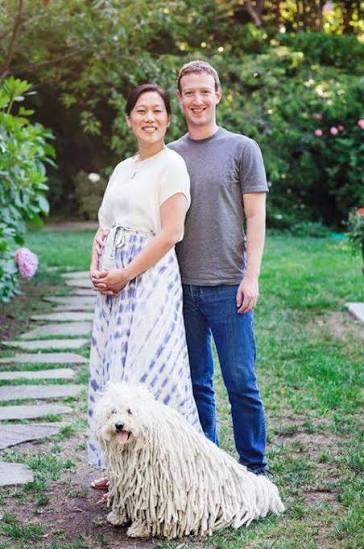
Beast belonged to Priscilla Chan and Mark Zuckerberg, and the best account of him comes from Chan rather than her husband.
In her first-ever television interview, Chan told TODAY that Beast was a Hungarian sheepdog with a full schedule. “He is so talented. He’s so smart. He knows his daily schedule. He has an extracurricular activity. He goes herding. He herds sheep. And we’ve been told that he’s quite gifted.”
She also delivered the line that settles the household pecking order. The dog, she laughed, was Mark’s second priority after Facebook. Her husband’s contribution to the same conversation was that Beast lost him more sleep than the company did, because of raccoons.
Beast got his own Facebook page in 2011 and eventually passed two million followers, which made him one of the earliest examples of a tech-world family dog becoming a platform celebrity. He had the kind of corded coat that read instantly at any resolution: part dog, part mop, part extremely patient household celebrity. We bet their household had a really great pet vacuum.
He also has to be written about in the past tense now. The Marquette Zuckerberg Files archive records Zuckerberg’s June 2025 post about Beast’s death at the age of 14. Beast did not name Meta or rewrite a product roadmap. He herded sheep as an extracurricular. That is a better legacy.
The Wojcicki dogs and the names that refuse to be optimized
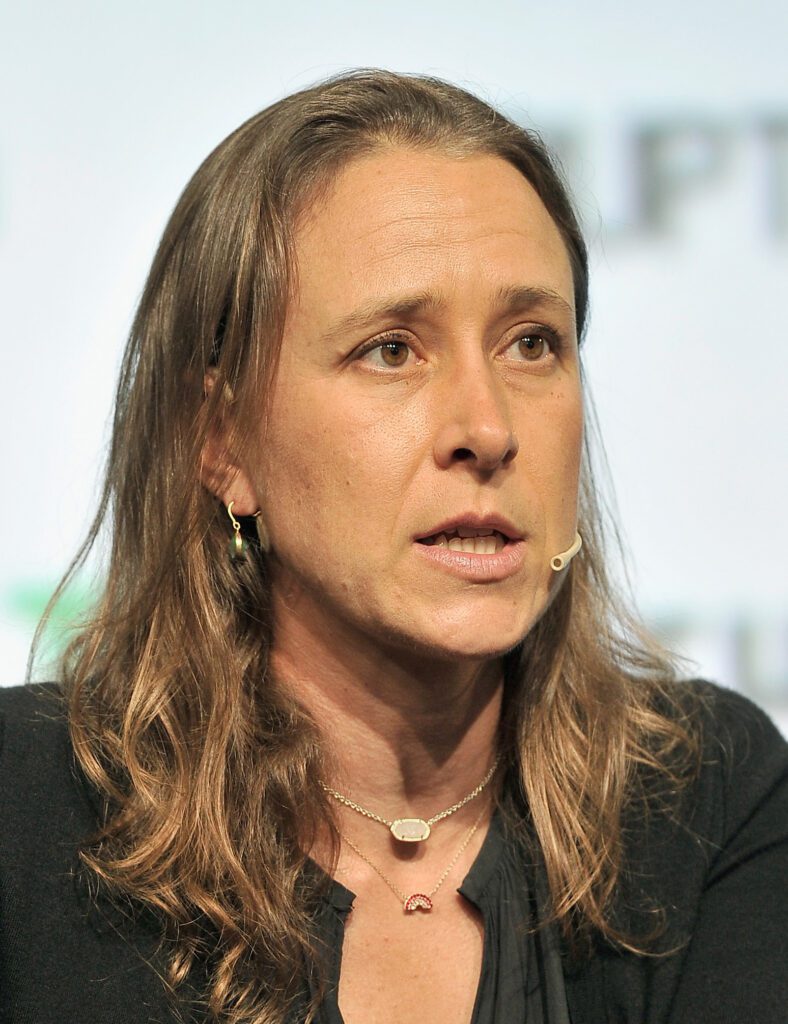
Most people know Anne Wojcicki as the founder of genomics company 23andMe. A Business Insider roundup of tech’s most powerful dogs names Anne Wojcicki’s two labradoodles as Fluffy Bunny and Luna. Fluffy Bunny, in particular, is a magnificent tech-executive dog name because it refuses to sound optimized. It is not a biotech company, a productivity app, or a venture fund. It is Fluffy Bunny. Respect the clarity.
The same piece also links the late Susan Wojcicki to a smiling dog photo, and Kira Wampler, then CEO of Art.com and formerly Lyft’s CMO, to a dog whose sleeping positions had become part of her Instagram presence. Those are lighter entries, but that does not make them meaningless. They show how famous tech dogs often function less as mascots and more as humanizing little signals around people whose public jobs are otherwise framed in metrics, growth, and strategy.
Not every dog needs a product roadmap. Some dogs just need a ridiculous name, a sleeping pose, or a face that makes the executive layer feel less sealed off from regular life. But if you are into genetics like Anne Wojcicki, you might want to consider a DNA test for your dog.
Koa, Floki, Jeffree, and Rocky Raccoon
Then there are the dogs of tech who belong as footnotes, which is not an insult. A good footnote can be the part people remember.
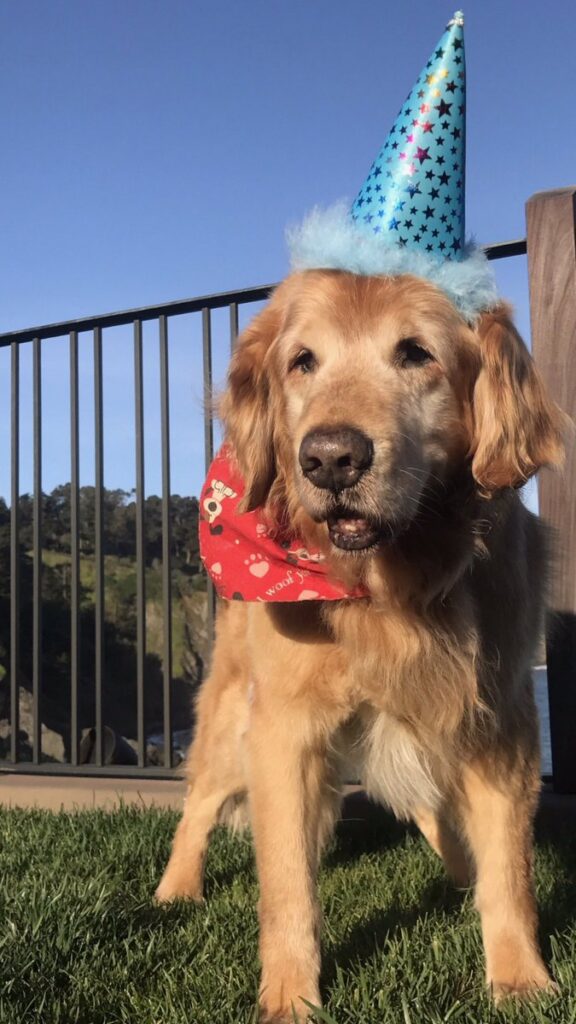
Koa was Marc Benioff’s golden retriever and carried the title Chief Love Officer. Salesforce’s character roster also includes an illustrated Koa the Dog holding the same title, though the company has never said the character was created in the real Koa’s memory, so we will not say it either.
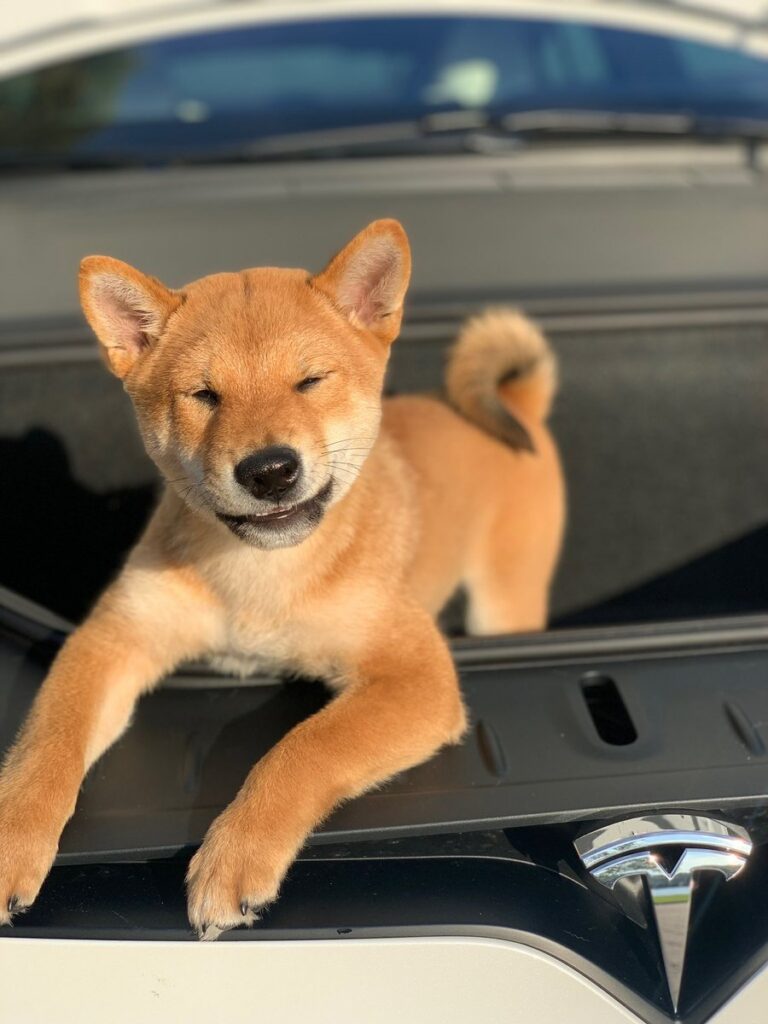
Floki, Elon Musk’s Shiba Inu, became part of platform lore in February 2023 when Musk posted photos of him in the chair at Twitter headquarters and called him the new CEO. It was a joke, and a joke is all the dog needs to carry.
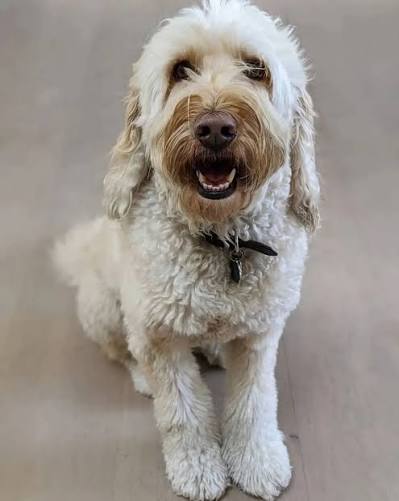
Jeffree, Sundar Pichai’s labradoodle, fits as a modern Doogler. Pichai captioned two photos of him with three words — “Best work partner” — which is either high praise or a quiet complaint about everyone else.
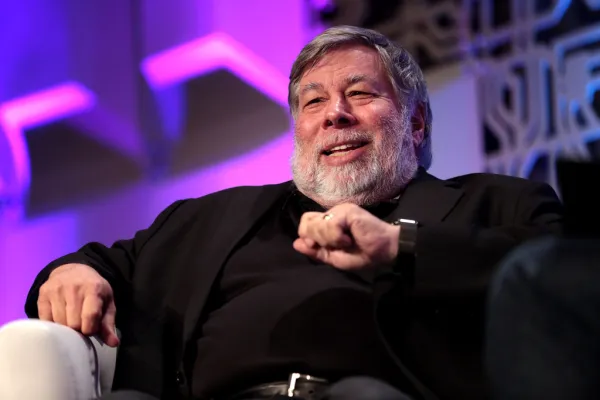
Steve Wozniak’s Rocky Raccoon belongs for one narrow, delightful reason: Rocky supplied the “Rocky” in the alias Wozniak used when he went back to Berkeley, with the surname borrowed from his then wife, Candi Clark. Nobody has ever published Rocky’s breed, so we are leaving that blank. The name is doing plenty on its own.
Why the dogs of tech stick with us
The reason these stories work is not that dogs make tech leaders seem relatable, though they do perform that service with very little training. The reason they work is that dogs turn abstract tech history into something visible.
Office policy becomes Rufus in a lease. A startup name becomes Zinga. Campus culture becomes Yoshka’s Cafe. Crypto culture becomes Kabosu’s face. A business pivot becomes Tylee in a pet store. An entire gig economy becomes one hungry Labrador at dinnertime. A pet-tech company begins, in part, with Poppy. Public personality becomes Beast, Fluffy Bunny, Luna, Koa, Floki, Jeffree, and Rocky Raccoon orbiting the edges.
That is also why pet technology keeps getting more interesting. Humans are always trying to understand, track, photograph, name, and build around the animals living next to us. Sometimes that becomes a GPS collar. Sometimes it becomes a company. Sometimes it becomes a dog in a launch ritual, paw hovering over a keyboard while a room full of adults waits for the click.
The lesson, if there is one, is not that every dog is secretly a business strategist. Please do not put that on them. The lesson is that dogs have a way of making human systems reveal themselves: who gets welcomed, what gets remembered, and which stories people repeat years later because they are warmer than the official version.
Most dogs will never join the dogs of tech. Most are busy changing a much smaller system: the couch, the schedule, the household snack economy. If you want to give yours a shot anyway, the entry requirements are low. Learn how to take photos of your dog so the good moments actually survive, borrow one of the better geeky dog names, and wait.
Because the ones who do make it into company history usually get there the same way ordinary dogs do everything else: by showing up, being themselves, and making the humans reorganize the room around them.