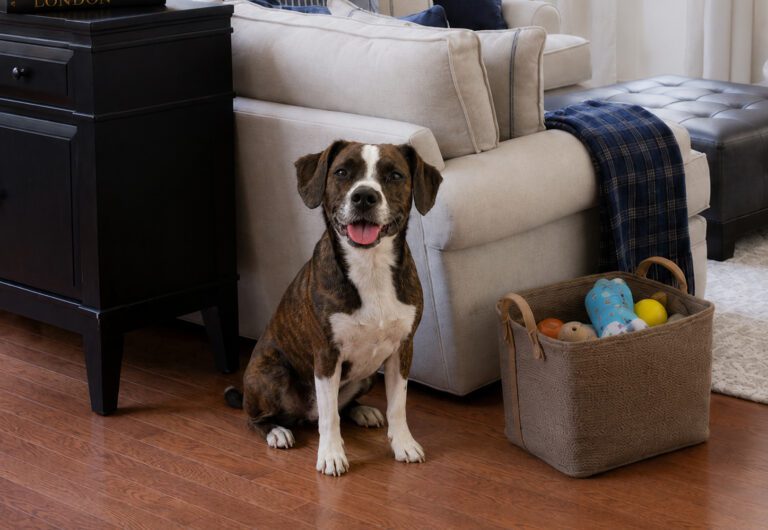
Puppy dna makes very reasonable adults act like detectives with no sleep. You bring home a tiny dog with huge paws, too much confidence, and a face that could belong to five different breeds depending on the angle. Within a day or two, someone in the house is already convinced the puppy is part shepherd, part boxer, part chaos goblin. Wanting answers is normal.
The problem is that fast is not always the same thing as useful. Puppy dna can be fun, practical, and sometimes genuinely helpful. It can also get overhyped in a hurry. If you want the broad shopping page, Best Dog DNA Test Kit is the quicker stop. This article is about timing, expectations, and whether puppy genetic testing is helping you plan or just feeding the household debate.
When puppy DNA actually helps
A puppy dna breed test makes the most sense when there is a practical question behind the curiosity. Maybe the breed mix is a total mystery. Maybe you want a little more context around likely size, general energy, or health-marker follow-up to discuss with your veterinarian later. Maybe you simply want a better sense of what kind of dog you are raising before the internet decides it knows more than you do.
That is where puppy genetic testing earns its keep. It can give broad breed context. It can help owners understand whether they are buying an ancestry-only report or a deeper package with health markers and traits. It can make a new-puppy household a little less chaotic by replacing wild guessing with at least some evidence.
What it cannot do is tell you exactly who the dog will become. A puppy dna breed test is not a crystal ball for personality, training success, or whether your puppy will outgrow one especially annoying habit.
When waiting is smarter
The biggest reason to wait is not that puppy dna suddenly stops working on young dogs. It is that very young puppies can be harder to test cleanly. The most useful official timing note in this cluster comes from Wisdom Panel guidance already verified in current Barkytech research: puppies can be tested, but the company recommends waiting until they are weaned so the sample is less likely to be contaminated by the mother.
That is a practical point, not a dramatic one. A clean sample usually matters more than shaving a couple of weeks off your curiosity timeline. If the puppy is still tiny, wriggly, and nearly impossible to swab without turning the whole thing into slapstick, waiting can be the smarter move too.
There is also an expectations reason to wait. New puppies change fast. Owners are often tempted to use puppy dna to explain everything before the dog has even settled in. A little patience can make the report easier to read because you are less desperate for it to answer every question at once.
What makes the best puppy DNA test the right fit
People search best puppy dna test as if there should be one universal answer. Usually there is not. The better question is what kind of report you want once the results arrive.
If you want the deepest mainstream report, Embark still makes sense because its Breed + Health page emphasizes deeper breed, health, trait, and relative information with results in 2-4 weeks after the sample reaches the lab. If you want a strong mainstream option with a clearer product ladder, Wisdom Panel remains a solid fit, and its dog pages say owners activate the kit, swab for 15 seconds, mail it in, and get results in 2-3 weeks. If your expectations are lighter, DNA My Dog still fills the simpler dog-only space. Orivet is there for people already leaning into more specialty genetics, not for every new puppy owner trying to calm down the house.
So the best puppy dna test is usually the report that matches the question you will still care about after the first cute reveal fades. Puppy genetic testing is more useful when it is chosen for report fit than for hype.
What a puppy DNA breed test can tell you and what it cannot
The useful part of a puppy dna breed test is broad context. It may give you a better sense of likely ancestry. It may help explain why your puppy’s build or coat is heading in a certain direction. It may surface health information worth keeping in mind for future veterinary conversations.
What it cannot do is predict personality with certainty. A puppy can be timid one week, rowdy the next, and deeply committed to chewing one exact chair leg for a month after that. Breed context can help frame tendencies. It does not erase the role of age, environment, training, socialization, and plain individual weirdness.
That is the place where owners start overreading the report. They want puppy dna to settle every argument early. Usually it is better at offering useful broad clues than at ending the conversation forever.
Puppy genetic testing and health-marker caution
Health information is one of the main reasons owners look beyond a simple breed-only kit. That can be sensible. A deeper report may help you bring better questions to your veterinarian, especially if the puppy’s background is unclear.
But puppy genetic testing still does not replace veterinary care. A health marker is not a diagnosis. A concerning result is a reason to pay attention and follow up, not a reason to act like you already know the puppy’s future. That line matters even more with very young dogs, because owners are understandably emotional and eager to plan.
If you want more of the nuts-and-bolts process around sample collection, activation, and turnaround, At-Home Pet DNA Tests: How it works with Swabs, Blood Tests, and Turnaround Times carries more of that detail.
When curiosity is enough and when it is not
Sometimes puppy dna is mostly for fun, and that is fine. There is nothing wrong with wanting a better guess about the small creature currently ricocheting off your sofa. Problems start when owners expect the report to replace observation, training, time, and veterinary care.
If your only real question is “what breeds are probably in here,” a simpler puppy dna breed test may be enough. If you know you will care about health markers, traits, and a fuller report later, choosing a deeper option upfront can make more sense. The key is being honest about which kind of owner you are before you buy.
For the wider category picture, Complete Guide to Pet DNA Tests connects puppy dna to the rest of the market.
FAQ
Is puppy dna worth doing right away
Sometimes, but not always. Puppy dna can be worth doing early if you have a practical reason and can get a clean sample. If the puppy is not weaned or sample quality feels shaky, waiting is often smarter.
What is the difference between puppy dna and puppy genetic testing
For most readers, not much. Puppy dna and puppy genetic testing usually point to the same kind of consumer report. The real difference is whether the kit emphasizes ancestry only or includes broader health and trait reporting.
Can a puppy dna breed test predict behavior
No. A puppy dna breed test can offer context about likely ancestry, but it cannot predict future behavior with certainty.
How should I think about the best puppy dna test
Think less about one winner and more about timing and report fit. The best puppy dna test is the one that matches your patience, your reason for testing, and how much detail you will actually use later.
Final take
Puppy dna is most useful when it helps you plan a little better, not when it tempts you to overinterpret a dog that is still changing every week. A puppy dna breed test can offer real value. Puppy genetic testing can help with broad breed context and smarter follow-up questions. It just should not be asked to predict the whole dog before the dog has even finished being a puppy.
If the sample will be cleaner later, wait. If your reason for testing is real and your expectations are sane, go ahead. The best puppy dna test is usually the one used at the right moment, with the right level of trust.