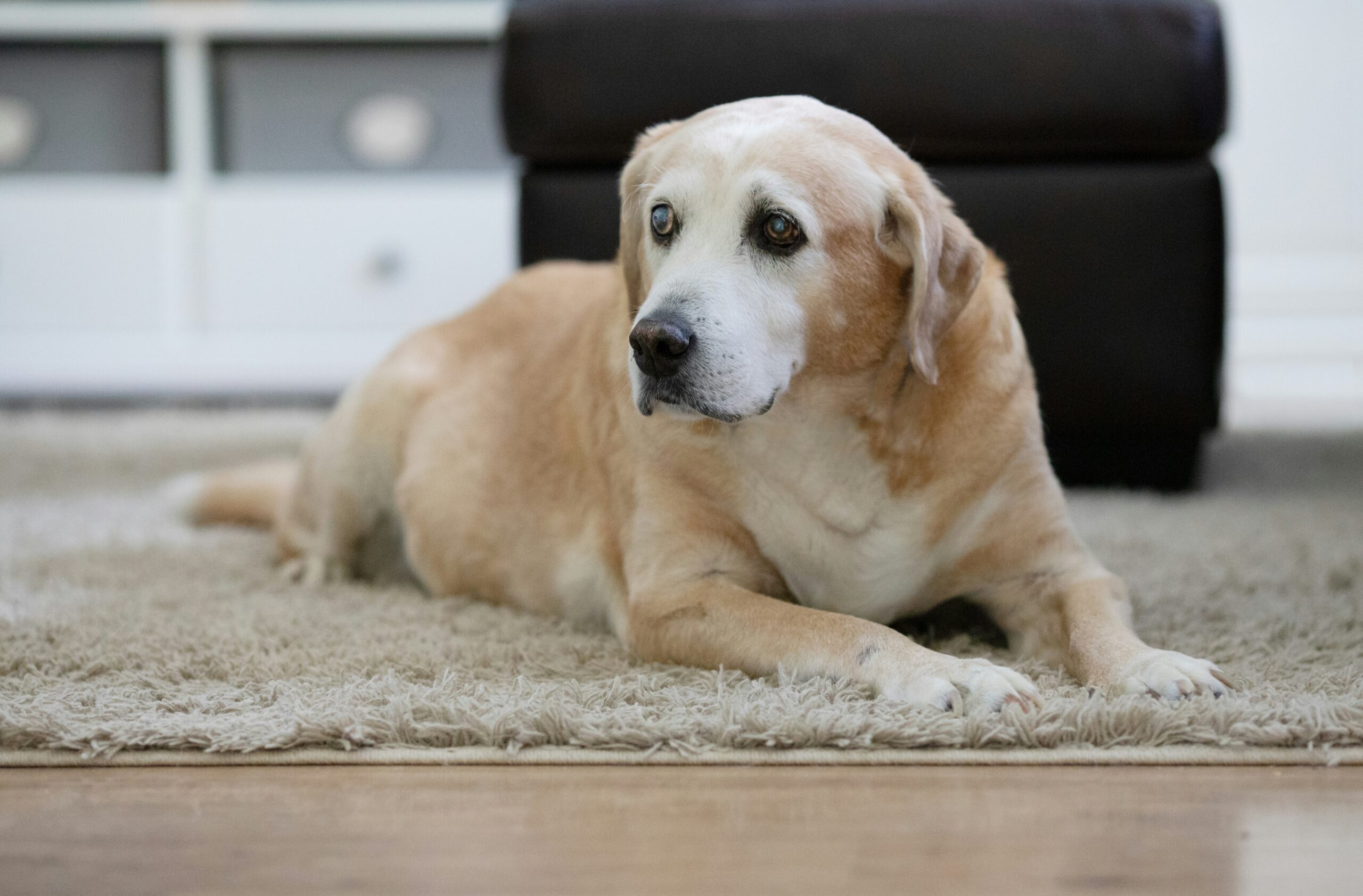
The best gadgets for senior dogs do something more interesting than count birthdays. They notice a 2 a.m. hallway tour, warm a favorite nap without turning it into a sauna, or give a beloved gray muzzle a new way to play.
Your dog is still the same dog who considers the cheese drawer public infrastructure. Senior status does not replace that personality. It changes what technology needs to notice and whether the settings can adapt as sight, hearing, sleep, appetite, or movement changes.
Age is one part of a brilliant dog. Smart Pet Gadgets: How to Choose Tech for Dogs and Cats handles the broad technology tour. Senior life asks: What could help my dog keep enjoying the life they already love?
Aging Does Not Arrive With a Push Notification
A pause at the stairs, a missed dinner cue, or a new midnight patrol can look like “just getting older.” It can also be information your veterinarian needs. AAHA’s senior-patient guidance includes eating, drinking, movement, play, elimination, vision, hearing, and behavior in the medical picture. Home videos can add context.
That gives senior-dog technology its best role. A camera preserves the odd three-minute episode. A wearable shows that Tuesday looked different from your dog’s usual Tuesday. The gadget keeps receipts; your veterinary team interprets the whole story.
Call about a sudden, worsening, or worrying change before shopping around it. The cool new device belongs in the care plan, not between your dog and an examination.
Give the Tiny Changes Better Receipts
See what happens between the moments you are there
A well-placed camera can catch how your dog rises or whether they pace after dark. Aim it at the routine you want to understand. Empty-couch footage is cinema for a very niche audience.
Wearables become more revealing when they compare your dog with themself over time. Activity, sleep, and location trends can make a change easier to see, while GPS alerts add reassurance if wandering is a concern. Check collar weight, charging gaps, and whether the app can export the record.
A dashboard is a diary with batteries, not a diagnosis. AAHA’s telehealth guidance treats videos and wearable records as context, with limits around accuracy, privacy, and missed clinical clues.
Make meals and water easier to remember, not easier to ignore
A connected feeder can keep mealtime punctual, while a smart scale or water station adds weight or drinking trends. “Dispensed” still does not mean “eaten,” especially when another dog views every bowl as community property. Appetite, weight, or thirst changes belong in a veterinary conversation.
Turn nighttime into less of an escape room
Motion-activated pathway lights can brighten the route to water or the door for a dog who still has usable vision—and keep a sleepy human out of the obstacle course. Choose steady, low-glare light that triggers before the dark stretch rather than exploding beside the bed.
Night-vision clips can show whether wandering happens once or keeps returning. Cornell lists changes in sleep, orientation, house training, activity, and anxiety among signs of canine cognitive dysfunction, but other health problems can look similar. Save the clip and call the vet; do not let the app name the plot twist.
Make Movement and Comfort Adjustable
A powered bed should feel cozy, not mysterious
A pet-safe heated bed or pad can turn nap time into first-class accommodations. Look for temperature control, automatic shutoff, an intact cord, and enough room to leave the heat completely. AAHA says pet-safe heated beds and pads can support comfort, with monitoring and overheating precautions.
A human heating pad is not the clever shortcut here.
A motorized treadmill can put weight-management walks on the calendar
A dog treadmill creates controlled indoor movement with small speed adjustments and a repeatable surface. For an older dog who needs to lose weight, that consistency can support a veterinarian-designed nutrition and exercise plan when weather or changing mobility makes regular walks harder to repeat. It is one tool in the plan, not the whole plan.
AAHA recommends an individualized weight-reduction plan that accounts for current fitness and protects muscle. Cornell says treadmill training for dogs may benefit healthy, overweight, or injured dogs, while recommending a veterinarian or sports-medicine specialist to set the plan.
Use a dog-appropriate deck, begin with positive acclimation, and stay beside the controls. Never tether your dog to a moving treadmill or leave the session unattended.
Red light deserves more than vibes
Photobiomodulation is real veterinary technology, not an internet mood lamp. A small randomized canine osteoarthritis trial reported improvements with a defined course of professional Class IV therapeutic-laser treatment. That finding does not turn every red-glowing pad or wand into the same therapy.
The Humane Society of Charlotte’s red-light therapy overview lands on the practical boundary that matters here: use a trained professional and make the device part of a treatment plan.
The red glow is not the dose. Wavelength, power, exposure, target tissue, diagnosis, eye protection, and schedule shape what the device is doing. Ask your veterinarian or rehabilitation professional whether an at-home product belongs in your dog’s plan. Skip any seller promising to treat pain or disease while being strangely shy about the protocol.
Electronic Gadgets for Blind Dogs and Dogs With Hearing Changes
Blindness and hearing loss are not senior-only experiences. Blind dog assistive devices work for any dog whose world becomes more sound-, scent-, or touch-led. Here, assistive devices for blind dogs are electronic: they produce a sound, send a trained vibration cue, record activity, or power a control.
For a blind dog, technology should speak up
An electronic toy with a clear, repeatable sound gives play a target. A programmable sound beacon can mark an important station. Large, easy-press dog talking buttons can preserve familiar communication when their position, force, and recorded cues suit your dog.
AKC includes audible toys among its ideas for blind dogs. Introduce one electronic sound at a time and watch whether it invites confidence or confusion. Obstacle-sensing wearables are exciting, but collision-prevention promises need evidence.
For hearing changes, light and vibration need a happy meaning
A flashing light can become an attention cue for a dog who can see it. A vibration-only collar can become a gentle “look at me” signal after reward-based conditioning. Texas A&M describes teaching a dog that a vibration predicts something wonderful. That meaning is trained; it does not arrive in the box.
Pair the lowest perceptible vibration with excellent rewards; stop for freezing, scratching, avoidance, or startle. Shock and static correction have no place here. An illuminated electronic tag helps people see your dog after dark, but it is not a hearing aid.
Buy for the Dog You Have This Month
Senior technology needs rematching. A wearable may begin to rub, a puzzle may need a slower motor, or a treadmill plan may need a different speed—or a pause.
Introduce one device at a time and watch posture, startle, fatigue, and the choice to return. The best interactive dog toy comparison can help find accessible play without turning enrichment into an exam.
Make sure the family can see alerts, export data, replace batteries, and reach the stop control. Excellent technology should fit the people keeping it running with love too.
Frequently Asked Questions
What are the best gadgets for senior dogs?
The best gadgets for senior dogs answer a real change while preserving something your dog loves. Cameras and wearables record patterns. Connected feeding devices add routine data. Motion lighting supports nighttime movement. Electronic toys and buttons keep play accessible. Powered comfort and exercise need the right controls and care plan.
What are the best gadgets for blind dogs?
The best assistive devices for blind dogs use electronic sound, trained vibration, accessible controls, or remote observation. Good blind dog assistive devices invite confident play or communication without promising perfect navigation.
Can a smart collar tell me whether my senior dog is sick?
No. It can show that a measured pattern changed, subject to the device’s limits. It cannot examine your dog or determine the cause. Save the timeline and contact your veterinarian about a meaningful change.
Are dog treadmills and red-light devices safe for senior dogs?
They can belong in a veterinarian-guided plan, but “senior” is not an automatic green light. Ask whether the device fits your dog’s current health, movement, medications, and goals. Follow the specific speed, dose, session, supervision, and stop-use instructions you receive.
More Good Days, Fully Upgraded
The joy of senior-dog technology is noticing what has changed and answering with more attention, better information, a warmer nap, an easier game, or a new way to say hello.
Choose gadgets for senior dogs that keep your particular dog in the center of the story. Keep adjusting the settings. Keep celebrating the wins. A gray muzzle is a premium colorway, and it deserves excellent technology.